7 Best Benefits of Professional Hair Care Solutions?

Time:2026-10-15 Author:Oliver
0%

Healthy-looking hair is rarely the result of one perfect product. It usually reflects consistent care, accurate diagnosis, and realistic expectations. Professional hair care solutions are designed by trained specialists who understand scalp conditions, hair structure, chemical damage, and styling habits. During a consultation, a professional may examine dryness, breakage, oiliness, or color loss before recommending treatment. That personal assessment can prevent costly trial and error.

So, what are the benefits of professional hair care solutions? They can support stronger strands, improved moisture balance, healthier scalp conditions, and more predictable styling results. A salon professional may combine targeted cleansers, conditioning treatments, scalp therapies, and protective techniques. For example, damaged ends may need protein support, while a dry scalp may require gentler hydration instead. Small details matter.

The experience can feel different.

Professional advice also adds safety. Incorrect heat settings, harsh chemicals, or excessive treatments may worsen fragile hair. A trained stylist can adjust product strength and explain maintenance between appointments. This guidance is especially useful for colored, textured, chemically treated, or thinning hair. However, professional care is not a magic solution. Results vary with genetics, lifestyle, medical conditions, and home routines. Even experts may need to revise a plan after observing how hair responds. That honest flexibility builds trust. Reliable care should include clear recommendations, realistic timelines, and follow-up support. When expertise meets careful observation, professional hair care becomes more than a luxury. It becomes a practical strategy for protecting appearance, comfort, and long-term hair quality.
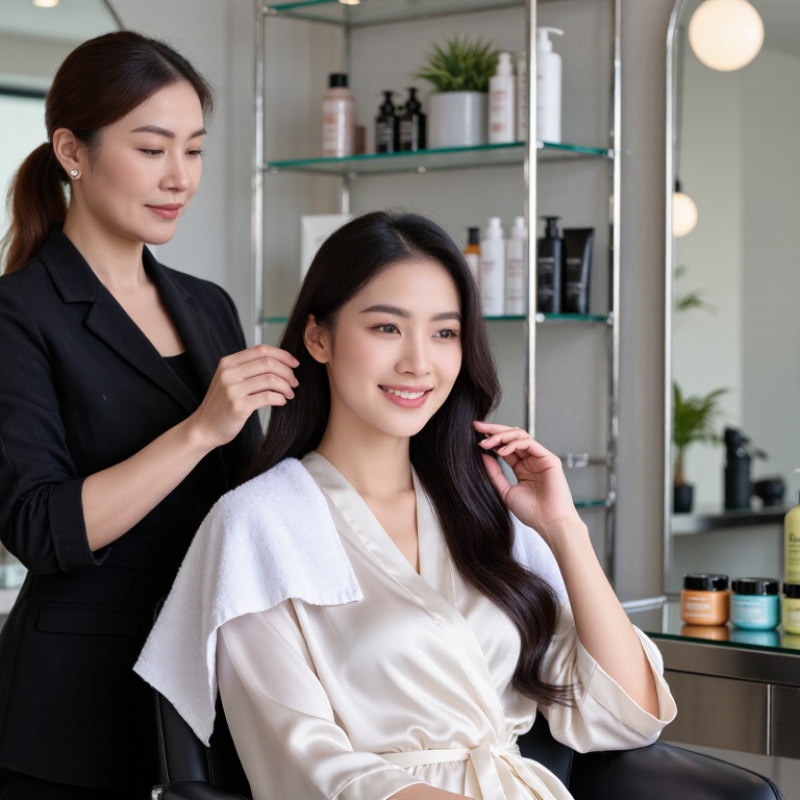
7 Best Benefits of Professional Hair Care Solutions?

Understanding Professional Hair Care Solutions

7 Best Benefits of Professional Hair Care Solutions

Understanding Professional Hair Care Solutions

Professional hair care solutions begin with a close assessment, not a quick product recommendation. A trained stylist examines scalp condition, hair texture, porosity, breakage, and styling habits. This practical review can reveal why hair feels dry, flat, oily, or fragile.

The right plan may improve moisture balance and reduce visible split ends. It can also support scalp comfort, smoother texture, easier detangling, and stronger-looking strands. Professional cleansing removes buildup without relying on harsh scrubbing. Targeted conditioning helps damaged areas feel softer after one appointment. Heat-protection guidance can limit repeated styling stress. Small changes matter.

Consistency is essential. A stylist may suggest a simple home routine, adjusted for washing frequency, water quality, and daily exposure. I once assumed that expensive treatments automatically suited every hair type. That advice was too general. Fine hair can become heavy, while coarse hair may still need richer moisture. Results also vary with hormones, diet, stress, and chemical processing.

A reliable consultation should explain expected results, possible limitations, and maintenance steps clearly. Ask how often a treatment is needed and which signs indicate overuse. Take notes after the appointment. Your hair may respond differently than predicted, and that feedback deserves attention. Even a professional plan sometimes needs revision.

Improving Hair Strength, Texture, and Manageability

Professional hair care solutions can improve hair strength, texture, and manageability when matched to real hair needs. A trained stylist can examine porosity, scalp condition, strand thickness, and visible damage. This assessment helps avoid unsuitable treatments. Stronger hair usually begins with reduced breakage, not instant growth. Protein-focused care may support weakened strands, while gentle conditioning improves flexibility. Too much protein, however, can leave hair stiff and rough.

Texture often changes through consistent professional care. Hydrating treatments can soften dry ends and reduce a straw-like feel. Smoothing services may help control frizz and create a more even surface.

The result is easier combing, cleaner parting, and less pulling during styling. Small details matter. Lukewarm water, careful detangling, and limited heat protect the progress made in the salon.

Manageability is another practical benefit. A tailored cut can remove fragile ends without sacrificing useful length. Professional guidance can also adjust washing frequency, product amount, and drying methods. Hair may feel lighter and behave better after these changes. Still, results are not always perfect. Some damage cannot be repaired permanently, and over-treatment may worsen dryness. Regular reviews help identify what works, what fails, and when the routine needs a careful reset.

Supporting Scalp Health and Long-Lasting Hydration

7 Best Benefits of Professional Hair Care Solutions

Supporting Scalp Health and Long-Lasting Hydration

Healthy-looking hair often begins with a balanced scalp. Professional hair care solutions can address dryness, oil buildup, and product residue more precisely than routine home washing. A trained stylist can examine visible scalp concerns and adjust cleansing, conditioning, and treatment steps accordingly.

Small details matter. Water that feels too hot can worsen dryness. Harsh scrubbing may leave the scalp uncomfortable. Gentle massage, lukewarm rinsing, and suitable moisture treatments can help protect the scalp’s natural barrier. Hydration should reach the hair fiber without making the roots heavy. That balance is not always easy.

In practice, consistent care usually works better than occasional intensive treatments. A professional may recommend a simple schedule based on hair texture, scalp condition, and styling habits. Ingredients such as humectants can attract moisture, while lightweight oils may help reduce roughness. Results can vary, though. A treatment that suits thick, coarse hair may overwhelm fine strands. I once assumed more moisture meant better hair, but excessive conditioning left the roots flat and greasy. Regular observation is necessary.

A healthy routine also includes clean tools, careful drying, and limited heat exposure. If itching, redness, or persistent flaking continues, consult a qualified healthcare professional instead of relying only on cosmetic treatments.

Repairing Damage and Protecting Hair From Future Stress

7 Best Benefits of Professional Hair Care Solutions

Healthy-looking hair often starts with repairing existing damage. A professional assessment can reveal dryness, split ends, chemical weakening, or heat stress. Stylists examine texture, elasticity, and breakage before recommending a treatment. This prevents guesswork. During salon consultations, I have seen brittle ends become smoother after consistent conditioning and careful trimming. Results vary, though. One treatment rarely fixes months of neglect.

Repair requires more than surface shine. Protein-focused care can support weakened strands, while moisturizing treatments improve flexibility and reduce roughness. Professional formulas are selected according to porosity and hair condition. Overusing strengthening products can make hair stiff, so balance matters. My own mistake was applying intensive treatments too often. My hair felt firm, but not healthy.

Protection prevents repeated damage. Use moderate heat, a heat protectant, and a wide-tooth comb on damp hair. Tie hair loosely before sleeping, especially when strands are fragile. Chlorinated water and strong sunlight can also increase dryness. A stylist may suggest gentler washing, regular trims, or lower-heat styling based on your routine. Small changes count. Consistency protects the progress made during repair.

Preserving Color While Enabling Personalized Professional Care

Professional hair care solutions do more than improve shine. They help preserve color through informed, personalized treatment. Colored hair often loses vibrancy because of porosity, heat, frequent washing, and mineral-rich water. A professional can assess these factors before recommending care. That assessment prevents guesswork.

Personalized care begins with the hair’s actual condition. A stylist may adjust cleansing frequency, conditioning strength, and treatment timing. A cool-toned formula can support blonde shades, while a moisture-focused service may suit dry, porous strands. Strand testing also helps reduce the risk of uneven results. Small details matter. This is where expertise matters.

Color protection continues at home. Lukewarm water, gentle cleansing, heat protection, and regular conditioning can support salon results. However, no routine preserves color forever. Even careful plans need revision when the season, water quality, or hair texture changes. A professional should explain these limits clearly, not promise permanent vibrancy. In practice, the best care plan is flexible, measurable, and comfortable enough to follow consistently. Sometimes, using fewer products works better than adding another treatment.

7 Best Benefits of Professional Hair Care Solutions? - Preserving Color While Enabling Personalized Professional Care

Benefit Professional Care Approach Personalization Factors Color-Preservation Mechanism Practical Outcome
1Improved Color Longevity Professionals assess the existing color, hair condition, and service history before selecting a cleansing and conditioning routine. Color type, porosity, washing frequency, water quality, and exposure to sunlight or heat. Gentler cleansing and suitable conditioning help reduce unnecessary removal of cosmetic color from the hair surface. Color can remain more even and vibrant between salon appointments when an appropriate maintenance routine is followed.
2Reduced Damage Risk A trained professional can evaluate dryness, breakage, elasticity, and the effects of previous chemical services. Hair thickness, porosity, prior lightening, chemical processing, and current tensile strength. Adjusting service intensity and treatment frequency helps avoid unnecessary chemical and mechanical stress. Healthier-feeling strands and a lower risk of excessive dryness, breakage, or uneven results.
3More Accurate Color Matching Professional consultation considers the natural base, undertone, desired result, and realistic maintenance requirements. Skin tone preference, natural hair level, gray coverage needs, undertones, and target shade. Using controlled formulation and application techniques supports more predictable tone and saturation. A more balanced result with fewer unexpected warm, dull, or uneven areas.
4Targeted Moisture and Repair Different sections of the hair can receive different levels of conditioning or strengthening support. Root condition, mid-length dryness, porous ends, curl pattern, and signs of protein or moisture imbalance. Maintaining the cuticle’s condition can help improve smoothness and reduce the rough texture that makes color appear less reflective. More manageable hair with improved softness, shine, and visual color clarity.
5Better Heat and Environmental Protection Professionals recommend suitable heat-protection, styling, and protective-care practices based on the hair’s condition. Use of hot tools, blow-drying habits, outdoor exposure, swimming, and local water characteristics. Reducing excessive heat and environmental exposure helps limit dryness, oxidation-related fading, and surface roughness. Color is better supported during regular styling and everyday exposure to environmental stressors.
6Safer Chemical-Service Planning Consultation, strand testing, compatibility checks, and controlled processing are used when appropriate. Previous dye history, lightening, relaxers, perms, henna or other deposits, and scalp sensitivity. Testing and spacing services can reduce the chance of incompatible chemical reactions or over-processing. More controlled color correction and a safer plan for achieving gradual changes.
7Consistent Long-Term Maintenance A professional creates a maintenance schedule covering cleansing, conditioning, refreshing, trimming, and future services. Desired color intensity, lifestyle, budget, appointment frequency, and ability to maintain the routine at home. Regular evaluation allows the routine to be adjusted as the color fades, the hair grows, or its condition changes. More consistent appearance, fewer corrective services, and care recommendations that remain relevant over time.
Professional care note: Results vary according to hair condition, chemical history, washing habits, water quality, heat exposure, and the selected color service. A consultation and strand test may be appropriate before significant chemical changes.

FAQS

What happens during a professional hair care consultation?

A trained stylist checks your scalp, hair texture, porosity, breakage, and styling habits. They may ask about washing frequency and heat use. The plan should fit your actual hair.

How can professional hair care improve dry or damaged hair?

Targeted conditioning can make damaged areas feel softer after one appointment. Moisture balance may improve, and detangling can become easier. Visible split ends may look better, but they are not permanently repaired.

Can professional treatments support scalp health?

They can address dryness, oil buildup, and product residue more precisely. Gentle cleansing may feel better than harsh scrubbing. Persistent itching, redness, or flaking needs qualified healthcare advice.

How often should I receive a professional hair treatment?

The schedule depends on your hair texture, scalp condition, and styling habits. Some people need occasional support, while others need regular maintenance. Ask which signs suggest overuse.

Can too much conditioning harm fine hair?

Yes. Fine hair may become flat, heavy, or greasy after excessive moisture. Thick, coarse hair may tolerate richer conditioning. More moisture is not always better.

What home habits can extend professional results?

Use lukewarm water and massage the scalp gently. Dry hair carefully, clean your tools, and reduce repeated heat styling. A simple routine often works best.

Why might a professional hair plan need revision?

Hair can respond differently because of stress, hormones, diet, water quality, or chemical processing. Your roots may become oily while the ends remain dry. Feedback matters.

Do professional solutions guarantee stronger-looking hair?

No treatment guarantees the same result for everyone. Professional care may support smoother texture and stronger-looking strands. Expectations should remain realistic.

Conclusion

Professional hair care solutions are designed to address individual hair and scalp needs through targeted cleansing, conditioning, treatment, and styling support. If you are asking, “what are the benefits of professional hair care solutions,” the answer includes stronger hair, improved texture, easier manageability, and better moisture balance. These solutions can help maintain a healthy scalp, reduce dryness, and provide long-lasting hydration without weighing the hair down.

Professional care can also repair the visible effects of heat styling, chemical processing, and environmental stress while helping protect hair from future damage. Customized treatments may preserve color, enhance shine, and support the specific needs of different hair types and conditions. With consistent use and personalized guidance, professional hair care can contribute to healthier-looking, more resilient, and more manageable hair over time.

Oliver

Oliver

Oliver is a seasoned marketing professional with a wealth of expertise in driving brand awareness and engagement. With a deep understanding of our company's product offerings, he consistently delivers high-quality content that enriches our professional blog. His insights not only shed light on......