Choosing the right shampoo can feel overwhelming. With so many options available, understanding what shampoo works best for different hair types is crucial. Each hair type, whether straight, wavy, curly, or coily, requires specific care. A shampoo tailored to your needs can enhance your hair's natural beauty.
For fine hair, lightweight formulas work wonders. They add volume without weighing your strands down. In contrast, dry or damaged hair benefits from moisturizing shampoos. These are rich in oils and nutrients that restore shine and hydration. A common mistake is assuming all shampoos are created equal. Many find that using the wrong product leads to frustration and lackluster results.
Indeed, finding the perfect shampoo requires trial and error. Not every product will suit your needs perfectly. It’s essential to consider your hair's condition and texture. By doing so, you’ll be on your way to discovering what shampoo works best for different hair types. Embrace the journey to healthy hair with patience and an open mind.
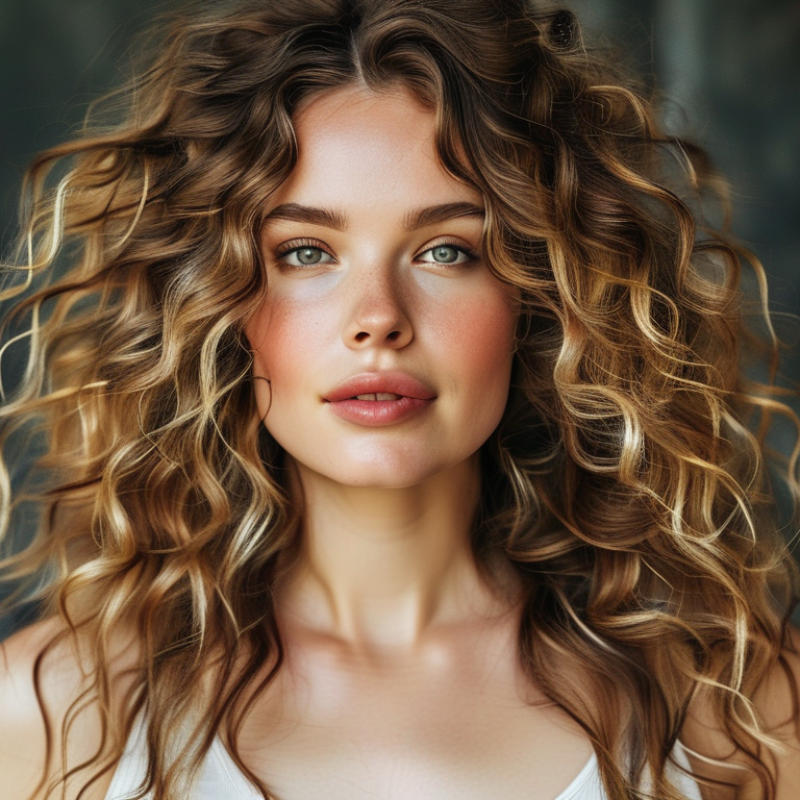
Understanding the unique needs of different hair types is crucial for maintaining healthy hair. Hair texture can vary widely, from straight and wavy to curly and coily. Each type requires specific care and attention. For instance, straight hair tends to be oilier, as natural oils flow easily down the strands. Shampoo that clarifies and cleanses is often beneficial for this hair type.
Conversely, curly and coily hair types demand more moisture. These textures can become dry and frizzy if not properly hydrated. Creamy, hydrating shampoos are often recommended to retain moisture and provide nourishment. It's all about finding products that maintain balance without overwhelming the hair.
However, not all products labeled for a specific hair type work effectively for everyone. It’s essential to experiment and observe how your hair responds. Occasionally, you may find that a product works initially but later becomes ineffective. This trial and reflection process can lead to a better understanding of your hair's evolving needs. Consider your climate, environment, and even stress levels, as these can also affect hair health. Embracing this journey of personal discovery is key to achieving vibrant hair.
Choosing the right shampoo for your hair type is crucial for maintaining healthy locks. Different hair types require unique ingredients for optimal care. For dry hair, shampoos with hydrating ingredients like glycerin and coconut oil are beneficial. These components can lock in moisture and nourish the hair. Fine hair can benefit from lightweight formulas containing proteins that add volume without weighing it down.
For oily hair, look for ingredients such as tea tree oil and salicylic acid. These elements help control excess sebum without stripping essential moisture. Curly hair thrives on moisturizing ingredients like shea butter and argan oil. They define curls and reduce frizz while keeping hair hydrated. It's essential to read labels and understand what works best for your specific hair concerns.
Tips: Always consider your scalp health. A balanced scalp promotes better hair vitality. If your hair feels heavy or greasy shortly after washing, it may be time to rethink your shampoo choice. Regularly revisiting your hair care routine allows you to experiment with different ingredients, ensuring your hair stays vibrant and healthy over time. Don’t hesitate to consult a hair care professional for personalized advice.
If you have oily hair, choosing the right shampoo is crucial for balancing your scalp's natural oils. Oily hair can lead to an uncomfortable greasiness, making it difficult to maintain a fresh look. Shampoos specifically designed for oily hair often contain clarifying ingredients that help control excess oil production. These ingredients can effectively cleanse the scalp without stripping it of essential moisture.
When selecting a shampoo for oily hair, look for key elements like tea tree oil or salicylic acid. Both have properties that combat oiliness while preventing buildup. A good product should leave your hair feeling light and clean. However, be cautious. Over-washing your hair can stimulate oil production. Therefore, finding a balance is essential.
It's also important to consider how frequently you wash your hair. For some, daily washing might seem necessary, but it can sometimes do more harm than good. Experiment with washing every other day. Pay attention to how your scalp and hair react. Remember, everyone’s hair type is different. What works for one person may not work for another. Listening to your hair’s needs is key.
Dry and damaged hair requires special care. Choosing the right shampoo can make a significant difference. Look for moisturizing ingredients that provide hydration. Oils and natural extracts can replenish lost moisture. Proteins help strengthen the hair and repair damage.
When selecting a shampoo, consider pH balance. A mild, sulfate-free formula is gentler on strands. Avoid harsh chemicals that strip natural oils. Pay attention to how your hair responds after each wash. It may take time to find the perfect match. Observe signs like dryness or excess oil.
Remember, consistency is key. Frequent changes in products can confuse your hair. Stick with a chosen shampoo for a few weeks. Evaluate its effectiveness. Sometimes, the perfect shampoo might not exist. It's about trial and error, adjusting based on your hair's needs.
Choosing the right shampoo for color-treated hair is essential for maintaining vibrancy and health. According to a 2022 report by the American Academy of Dermatology, about 60% of women color their hair. While this can enhance style, it can also lead to damage if not properly cared for. Color-treated hair needs special attention to avoid fading and breakage.
Color fades due to chemicals in shampoos. A study by the International Journal of Cosmetic Science found that sulfate-free shampoos are less damaging to color-treated hair. These shampoos often protect the hair's cuticle, reducing wash-out rates. It’s vital to check product labels. Many shampoos contain ingredients that can strip color or moisture. However, some sulfate-free options may leave hair feeling less clean.
Not all color-treated hair is the same. Different hair types react differently to products. A survey indicated that 45% of users find their hair feels drier after using standard shampoos. It may take multiple trials to find the right formula. Keeping track of what works (and what doesn’t) provides insight into your hair's needs. This process of experimentation is essential for long-term hair health and color retention.
| Hair Type | Shampoo Properties | Best Ingredients | Avoid These Ingredients |
|---|---|---|---|
| Color-Treated Hair | Sulfate-free, moisturizing | Aloe Vera, Coconut Oil, Keratin | Sulfates, Alcohols |
| Dry Hair | Hydrating, nourishing | Argan Oil, Shea Butter | Silicones, Fragrance |
| Oily Hair | Clarifying, lightweight | Tea Tree Oil, Charcoal | Heavy oils, Waxes |
| Curly Hair | Moisturizing, defining | Jojoba Oil, Glycerin | Sulfates, Parabens |
| Fine Hair | Volumizing, lightweight | Protein, Biotin | Heavy creams, Oils |
: Look for shampoos with clarifying ingredients like tea tree oil. These help control excess oil without stripping moisture.
Daily washing can increase oil production. Try washing every other day to find a balance that works for you.
Look for dryness, frizz, and lack of shine. These indicate that your hair may need extra moisture and care.
A balanced pH in shampoo helps maintain the hair's natural moisture. Mild, sulfate-free formulas are usually gentler.
No, individual reactions vary. What works initially may lose effectiveness over time, making experimentation essential.
Observe your hair after washing. It should feel clean and manageable. Signs of dryness or greasiness indicate a need for change.
Yes, frequent changes can confuse your hair. Allow a few weeks to evaluate a product's effectiveness before switching.
Climate and lifestyle factors, like stress, can impact how your hair behaves. Adjust your care routine accordingly.
This could signal product buildup. Consider clarifying shampoos and avoid over-washing to keep hair light and clean.
Not necessarily. Hair needs may change with seasons or conditions, so remain attentive and adjust your products as needed.
When considering what shampoo works best for different hair types, it's essential to understand the unique needs of each hair type. The first step is to identify your hair type—whether it's oily, dry, damaged, or color-treated—since this will influence your shampoo selection. Key ingredients play a significant role; for instance, shampoos for oily hair often contain clarifying agents, while those for dry and damaged hair focus on moisturizing components.
For color-treated hair, shampoos should be sulfate-free to prevent fading and maintain vibrancy. By selecting shampoos tailored to these specific needs, individuals can enhance the health and appearance of their hair, ensuring that they find the most suitable products for their unique hair conditions.

SALA Beauty