Beautiful hair is often seen as a reflection of good health. However, many struggle to achieve that vibrant look. According to a study by the American Academy of Dermatology, nearly 30% of women experience hair thinning or damage at some point in their lives. Understanding how to make hair look healthier is crucial for maintaining its beauty and vitality.
Expert hairstylist Jen Atkin, known for her work with celebrities, emphasizes the importance of care. She says, "Healthy hair starts with proper treatment and hydration." The right routine can significantly improve the appearance of your locks. Using quality products and adopting better habits can lead to noticeable changes.
For many, this journey involves trial and error. Finding what works best for your hair type can be challenging. Insights may vary, leading to misunderstandings about effective care methods. Embracing a learning mindset is vital. With the right approach, achieving healthier hair is within reach, even if it requires some effort and adaptation.
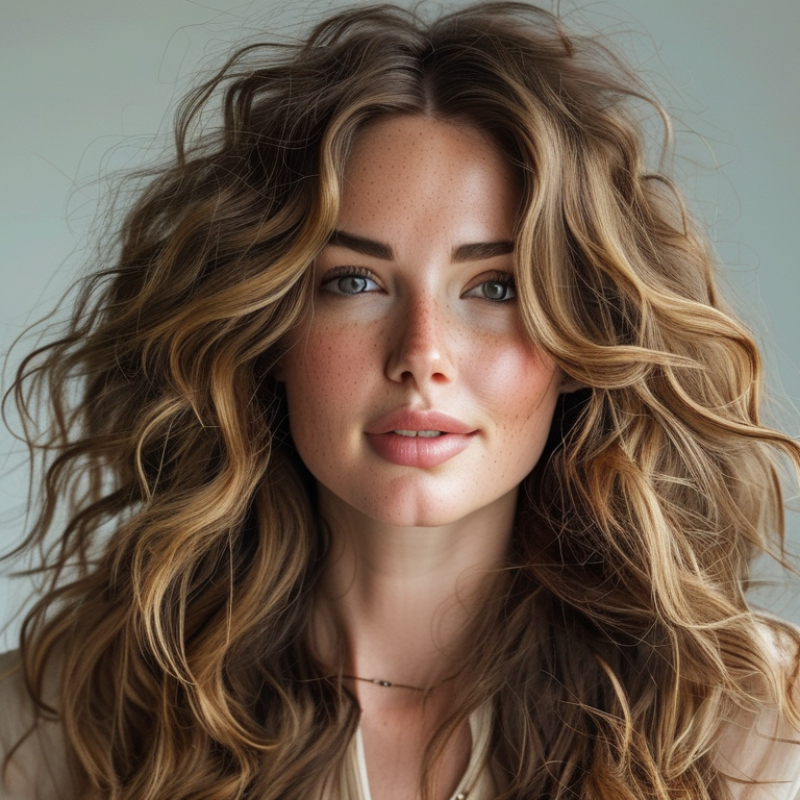
Understanding Hair Health: Key Factors That Affect Appearance
Healthy hair starts beneath the surface. Factors like diet play a crucial role. A balanced intake of vitamins and minerals helps strengthen your strands.
Foods rich in omega-3 fatty acids nourish hair follicles. Protein is essential too; it forms the building blocks of each hair strand. Neglecting these nutrients can lead to dryness and brittleness.
Scalp health is another key factor. An unhealthy scalp can hinder hair growth and lead to issues like dandruff. Regularly cleansing and exfoliating the scalp promotes blood circulation. This ensures the hair roots receive vital nutrients. Additionally, weather conditions can impact hair appearance. Humidity can cause frizz, while dry air can lead to split ends. It's essential to adapt your hair care routine accordingly.
Lastly, stress is often an overlooked aspect. Emotional and physical stress can trigger hair loss or dullness. Finding ways to manage stress is beneficial for overall hair health. Incorporating relaxation techniques can improve not just mental well-being but also hair vitality. Remember, achieving healthy hair takes time and reflection on our habits.
Essential Hair Care Routines for Maintaining Healthy Locks
Maintaining healthy hair requires consistency and proper care routines. Begin with regular washing. Use lukewarm water instead of hot. Hot water can strip the hair of natural oils, leading to dryness. Choose a gentle shampoo, one that cleanses without over-drying. Limit washing to two to three times a week to avoid removing natural moisture.
Hydration is essential. Incorporate a deep conditioning treatment once a week. This helps nourish your hair and repair damage. Use natural oils, like coconut or argan oil, for added moisture. A small amount can go a long way in preventing breakage. Remember, though, that too much oil can make hair greasy.
Healthy hair also requires a good diet. Nutrients like biotin and omega-3 fatty acids promote growth. Incorporate foods like nuts, fish, and leafy greens. However, many people neglect this aspect. Skipping meals or relying on processed foods does not support hair health. Lastly, protect your hair from heat styling. Consider air-drying and embrace your natural texture. Yet, it’s also common to overuse styling tools, which can cause lasting damage. Recognizing these habits is the first step towards healthier locks.
10 Best Tips to Make Your Hair Look Healthier
Top Nutrients and Foods for Promoting Lustrous Hair
To achieve lustrous hair, focusing on the right nutrients is essential. Proteins play a significant role in hair health. Incorporating lean meats, eggs, and legumes into your diet can provide the amino acids necessary for strong strands. Plant-based sources like quinoa and beans are also excellent. Additionally, iron-rich foods like spinach and lentils help deliver oxygen to hair follicles, promoting growth and vitality.
Omega-3 fatty acids are another powerful ally for healthy hair. Foods like walnuts, chia seeds, and fatty fish can help nourish the scalp. These essential fats maintain moisture and shine, preventing dryness. Vitamin E, found in nuts and green leafy vegetables, protects against oxidative stress, which can weaken hair. Be mindful, though; a deficiency in these nutrients can lead to dull, brittle hair.
Don't forget about hydration. Drinking ample water is fundamental for maintaining overall health, including hair quality. While a great diet is vital, it’s crucial to assess how lifestyle habits affect your hair. Stress, lack of sleep, and environmental factors can counteract good nutrition. Reflecting on your daily routine can reveal areas that need improvement for better hair health.
Effective Styling Techniques to Minimize Damage and Enhance Shine
When it comes to achieving healthy-looking hair, effective styling techniques are crucial. According to a study by the International Journal of Trichology, routine heat exposure can lead to significant damage. Therefore, minimizing heat styling is essential for maintaining hair integrity. Instead of blow-drying, let your hair air-dry whenever possible.
To enhance shine, consider incorporating serums and oils into your routine. These products can help seal the hair cuticle and reduce moisture loss. Hair expert reports suggest that silicone-based products can increase shine by up to 30%. Remember, the right application matters. Apply these products to damp hair for maximum effectiveness.
Avoid over-brushing, which can stretch and break hair. This common mistake can lead to frizz and dullness. Instead, use a wide-tooth comb to detangle. It’s gentle on hair and prevents damage. Also, frequent use of hair ties can lead to stress on strands. Opt for soft scrunchies or clips to minimize this risk. Being mindful of these techniques will help maintain your hair’s health and shine over time.
10 Best Tips to Make Your Hair Look Healthier
| Tip |
Description |
Benefits |
| Use a Heat Protectant |
Apply a heat protectant spray before using any styling tools to shield hair from high temperatures. |
Reduces thermal damage, maintaining hair health. |
| Limit Washing Frequency |
Wash hair 2-3 times a week to prevent stripping natural oils. |
Retains moisture and enhances shine. |
| Choose the Right Shampoo |
Use sulfate-free and nourishing shampoos tailored to your hair type. |
Gently cleanses without drying out the hair. |
| Regular Trims |
Trim hair every 6-8 weeks to get rid of split ends. |
Promotes healthier growth and a polished look. |
| Use Cold Water Rinse |
Finish your hair wash with a cold water rinse. |
Seals the cuticle and adds shine. |
| Eat a Balanced Diet |
Incorporate vitamins and minerals such as biotin, zinc, and omega-3s. |
Supports hair growth and strength. |
| Avoid Tight Hairstyles |
Limit styles that pull on the scalp, like tight ponytails or braids. |
Prevents breakage and promotes healthier roots. |
| Deep Conditioning Treatments |
Use deep conditioning masks weekly to nourish and repair. |
Enhances moisture and reduces damage. |
| Minimize Chemical Treatments |
Avoid excessive dyeing or perming to reduce chemical damage. |
Maintains hair integrity and health. |
Choosing the Right Products: Shampoo, Conditioner, and Treatments
Choosing the right hair products is essential for maintaining healthy hair. Look for shampoos that are sulfate-free. Sulfates can strip your hair of natural oils. A gentle, moisturizing shampoo will cleanse without causing dryness. Consider your hair type. For fine hair, a lightweight formula is ideal. For thicker, coarser hair, a rich, hydrating option works best.
Conditioners play a crucial role too. They help to restore moisture and improve manageability. Choose a conditioner that complements your shampoo. Pay attention to ingredients. Natural oils like argan or coconut promote shine. That said, some hair types may react differently. A product that works for one person may not suit another.
Treatments are equally important. Deep conditioning masks can provide extra nourishment. Use them weekly for optimal results. But, overusing treatments can lead to build-up. It's essential to strike a balance. Regularly assess your hair’s health and adjust products accordingly. This trial and error can ultimately lead to better choices.
FAQS
: It's best to wash your hair two to three times a week.
Use lukewarm water. Hot water strips natural oils, causing dryness.
Hydration nourishes hair and repairs damage. Consider deep conditioning weekly.
Coconut or argan oil are great options. Use sparingly to avoid greasiness.
A balanced diet with nutrients like biotin supports hair growth. Avoid processed foods.
Look for sulfate-free shampoos and choose products for your specific hair type.
Conditioners restore moisture and improve manageability. Pick one that complements your shampoo.
You should use them once a week for best results.
Overusing treatments can lead to build-up. Balance is key for healthy hair.
Frequent heat styling can cause damage. Consider air-drying to protect your locks.
Conclusion
To achieve the desired look of healthy hair, it's essential to understand the key factors that affect its appearance, including genetics, environmental influences, and overall health. Knowing how to make hair look healthier begins with a solid hair care routine that includes regular washing, conditioning, and deep treatments to maintain moisture and strength.
Incorporating nutrient-rich foods into your diet can significantly boost hair health, promoting shine and vitality. Additionally, employing effective styling techniques can minimize damage from heat and environmental stressors. Selecting the right hair care products tailored to your specific needs ensures that your locks not only look beautiful but are also well-cared for, laying the foundation for truly lustrous hair.

 SALA Beauty