Improving hair texture naturally is a common concern for many individuals. With the rise of chemical treatments, more people are seeking organic alternatives. Understanding how to improve hair texture naturally is essential for maintaining healthy hair.
There are numerous methods to enhance your hair's feel and appearance. Natural ingredients, like coconut oil and aloe vera, are often praised for their benefits. However, results may vary based on hair types and individual routines.
Each person’s hair is unique. What works for one might not work for another. It's crucial to experiment and observe the changes in your hair. Embrace the process, as improving hair texture takes time and patience. Realistic expectations can lead to better results over time.
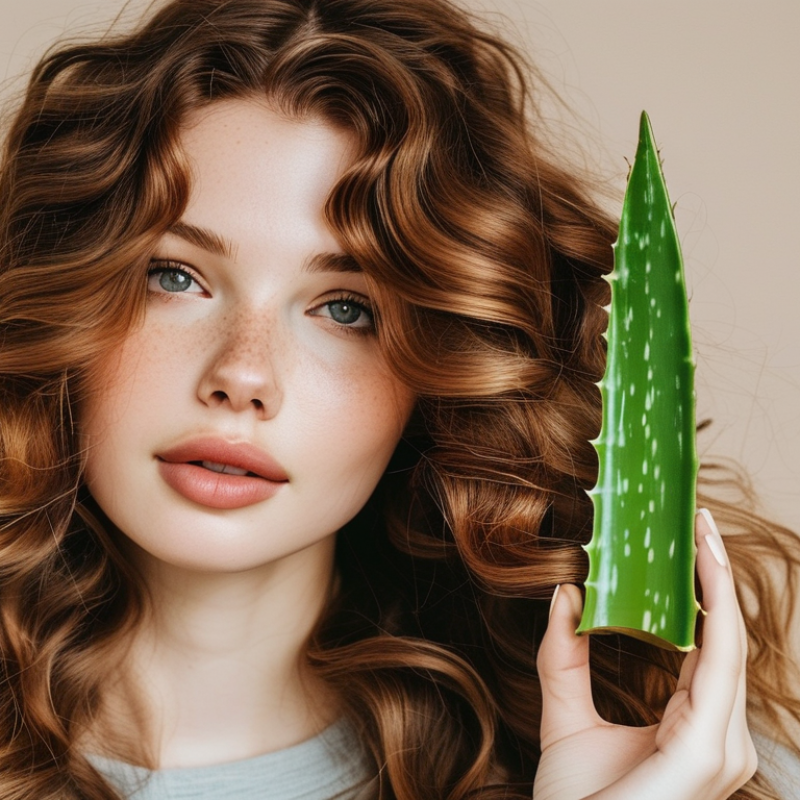
Natural oils play a significant role in improving hair texture. These oils can help nourish and hydrate hair from the root to the tip. For instance, coconut oil is known for its deep conditioning properties. It penetrates the hair shaft effectively, helping to reduce protein loss. This is vital for maintaining the strength of your hair. Olive oil, on the other hand, adds shine and softness. It is rich in vitamins and antioxidants, which protect hair from environmental damage.
Another excellent choice is argan oil. This oil is packed with essential fatty acids and vitamin E, which can help tame frizz and enhance curl definition. Applying it can make hair feel smoother and more manageable. Jojoba oil mimics the natural sebum produced by your scalp, making it a great moisturizer.
While many natural oils offer remarkable benefits, results can vary based on hair type. Some people may find their hair feels greasy or heavy when they use certain oils. It's important to experiment and find what works best for you. Overuse of oils can lead to buildup, making hair look dull. Understanding your hair's needs will help you use these oils more effectively for a better texture.
Homemade hair masks can significantly improve texture and moisture. They are simple to make with natural ingredients. One effective mask combines ripe bananas and honey. Blend them until smooth, then apply to your hair for 30 minutes. Rinse well for softer, shinier locks.
Another option features yogurt and olive oil. Mix one cup of yogurt with two tablespoons of olive oil. This mixture nourishes and hydrates your hair. Leave it on for about 20 minutes before washing out. You’ll notice a healthier sheen and feel after consistent use.
It’s essential to customize your recipes based on your hair type. Experiment with different ingredients, like avocado or coconut milk. Remember that results may vary. Not every mask will work for everyone. The key is to be patient and observe your hair’s response. Regular application will help you discover what brings out the best in your locks.
Diet plays a crucial role in enhancing hair texture naturally. Incorporating foods rich in vitamins and minerals is essential. For instance, biotin, found in eggs and nuts, promotes hair growth and strength. Iron-rich foods like spinach can improve circulation, benefiting your scalp. Omega-3 fatty acids, present in fatty fish, help nourish hair follicles.
Hydration also significantly impacts hair health. Drinking ample water helps maintain moisture balance in your hair. It can prevent dryness and brittleness. Herbal teas like nettle or rosemary can be beneficial too. They provide antioxidants, which enhance overall hair quality.
However, dietary changes can be challenging to implement. Many struggle with consistency. It's essential to assess your current eating habits and identify areas for improvement. Gradually introducing these nutritious options into your diet can make the transition easier. Remember, healthy hair doesn't happen overnight. It takes time and effort to see results. Embracing this journey is vital for achieving the desired texture.
Essential vitamins and minerals play a crucial role in enhancing hair texture and strength. Biotin, often referred to as vitamin B7, is vital. Studies suggest that biotin deficiency can lead to hair thinning or loss. Including biotin-rich foods like eggs and nuts can significantly improve hair health. A research report from the Journal of Clinical and Aesthetic Dermatology revealed that 38% of participants experienced noticeable hair growth after supplementing with biotin over 90 days.
Vitamin D is another key player in maintaining a strong hair structure. This vitamin helps create new follicles, which can lead to thicker hair. A report from the National Institutes of Health found that individuals with hair loss often had lower levels of Vitamin D. Incorporating foods like fatty fish, mushrooms, and fortified dairy can help boost your levels.
Additionally, minerals like zinc and iron are essential. Zinc promotes hair tissue growth. Iron assists in delivering oxygen to hair follicles. A study in the Journal of Dermatology showed that 27% of participants with hair issues also suffered from iron deficiency. Cutting down on processed foods and ensuring a diet rich in greens can help address these deficiencies, improving overall hair texture and appearance.
Gentle hair care practices play a crucial role in enhancing and maintaining hair texture. Using a wide-tooth comb can minimize breakage. Start by detangling from the ends, working your way up. This simple method reduces stress on the hair. Avoid vigorous towel-drying. Instead, gently blot your hair with a soft cloth. This helps prevent frizz and keeps texture intact.
Natural oils are excellent for hair health. Massage a small amount of coconut or olive oil into your scalp. This nourishes the roots, promoting a healthier texture. Leaving it on for a few hours or overnight can yield noticeable improvements. However, remember that using too much can lead to greasiness. Finding the right balance is key.
Heat styling tools can wreak havoc on hair texture. Reducing their use is beneficial. Try air-drying hair whenever possible for healthier strands. If styling is necessary, lower the temperature setting. Your hair will thank you for the gentler approach. Observe how your hair responds and adjust accordingly. Each head of hair is different, and finding what works best remains an ongoing journey.
| Method | Benefits | Application Frequency | Expected Results Time |
|---|---|---|---|
| Coconut Oil | Moisturizes and reduces protein loss | 2-3 times a week | 4-6 weeks |
| Aloe Vera | Hydrates and soothes scalp | Once a week | 2-3 weeks |
| Honey | Adds shine and moisture | Once a week | 1 month |
| Apple Cider Vinegar | Balances pH and enhances shine | Once a week | 2-4 weeks |
| Egg Masks | Strengthens hair and adds protein | Once every two weeks | 4-6 weeks |
| Olive Oil | Nourishes and softens hair | 2 times a week | 3-5 weeks |
| Banana Hair Mask | Moisturizes and improves texture | Once a week | 3-4 weeks |
| Jojoba Oil | Mimics scalp's natural oil | 2-3 times a week | 1-2 months |
| Avocado | Rich in vitamins and fatty acids | Once a week | 4 weeks |
| Rice Water Rinse | Strengthens and adds shine | Once every two weeks | 3-4 weeks |
: Biotin, or vitamin B7, is essential for strong hair. Its deficiency can lead to thinning or loss.
You can eat biotin-rich foods like eggs and nuts. These foods can significantly improve hair health over time.
Vitamin D helps create new hair follicles, leading to thicker hair. Low levels can contribute to hair loss.
Incorporate fatty fish, mushrooms, and fortified dairy into your diet. These foods help enhance vitamin D levels.
Zinc promotes hair growth, while iron delivers oxygen to follicles. Deficiencies in these minerals can negatively affect hair.
Use a wide-tooth comb to detangle. Blot your hair with a soft cloth instead of vigorous towel drying to minimize frizz.
Coconut and olive oils nourish the scalp. A small amount can improve texture when massaged into the roots.
Heat styling can damage hair. Try to reduce its use, and opt for air-drying whenever possible for healthier strands.
Using too much oil can lead to greasiness. Finding a balance that works for your hair is essential.
Yes, each person's hair is different. Observing how your hair responds to various methods is crucial for maintaining its health.
Improving hair texture naturally can be achieved through various holistic approaches that focus on both external and internal care. Utilizing natural oils like coconut, olive, and argan can provide essential moisture and nourishment, enhancing the overall texture of your hair. Additionally, homemade hair masks made from ingredients like avocado, honey, and yogurt can offer deep conditioning benefits, contributing to a smoother and healthier appearance.
Incorporating dietary changes, such as increasing your intake of omega-3 fatty acids, proteins, and antioxidants, plays a crucial role in promoting healthy hair texture from within. Essential vitamins and minerals like biotin, zinc, and vitamins A and E are vital for strengthening hair structure. Finally, adopting gentle hair care practices, such as using a wide-toothed comb and avoiding excessive heat styling, can help maintain and improve your hair texture over time. By following these methods, you can effectively learn how to improve hair texture naturally and achieve vibrant, resilient hair.

SALA Beauty