In 2026, haircare shelves offer shampoos, scalp scrubs, masks, bond builders, and leave-in treatments. Their labels can sound similar, even when their jobs differ. If you have ever wondered, “what is the difference between hair cleansing and hair treatment,” the simplest answer is purpose: cleansing removes buildup, while treatment targets a specific hair or scalp concern. That distinction matters. A cleanser works mainly on the scalp and roots, lifting oil, sweat, and product residue. A treatment usually supports the lengths, ends, or scalp with conditioning or targeted care.
The difference is not always obvious from the bottle. A moisturizing shampoo still cleanses; a mask may soften dry ends without repairing every kind of damage. Formulas vary, and hair texture, washing habits, water quality, and styling products all affect results. A practical clue is how and where you use the product: shampoo is generally rinsed from the scalp, while masks or conditioners are often left on the hair for a set time. Small details help. So does noticing what changes after use, such as less residue or easier combing.
This guide explains how to read product claims, compare ingredients, and build a routine without treating every concern as a product problem. Be cautious with dramatic promises. Hair can feel smoother without becoming permanently “repaired,” and one routine may not suit everyone. Persistent itching, irritation, or unusual shedding deserves professional advice rather than another guess from the shower shelf. We will look at useful differences—and the gray areas that make haircare labels confusing.
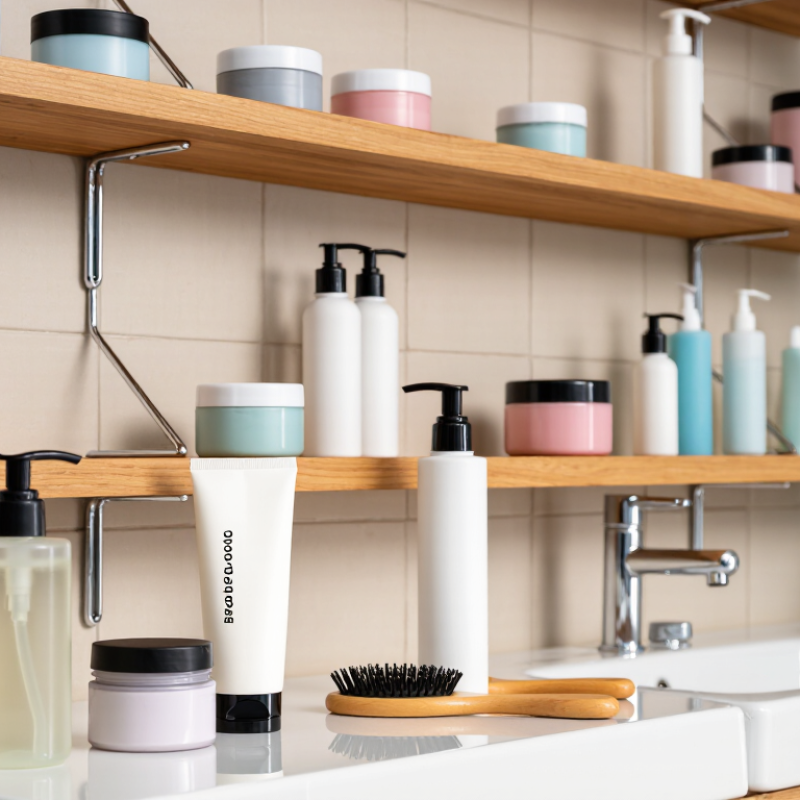
Hair cleansing means removing sweat, excess oil, loose skin cells, and styling residue from the scalp and hair. A cleanser uses surfactants to loosen oily material so water can rinse it away. The goal is a clean, comfortable scalp, not squeaky strands. That feeling can mislead.
Hair treatment describes products or services intended to address a specific need, such as dryness, tangling, breakage, or scalp flaking. Conditioner can smooth the hair surface and reduce friction; a mask may provide richer conditioning. Neither can permanently mend a split end. Some treatments are made for the scalp, while others belong on mid-lengths and ends. Check directions carefully.
Cleansing and treatment often happen in the same shower, but they do different jobs. If roots feel greasy by evening, focus shampoo on the scalp and let the lather pass through the lengths. If your ends catch on a comb, apply conditioner there, then rinse. I would not assume every dry feeling means damage: hard water, heat, and frequent washing can all play a part. Product labels can be imprecise, too. Hair varies, so adjust one habit at a time and notice how your scalp and strands respond over several washes.
How to Tell Hair Cleansing from Hair Treatment in 2026?
How Cleansing and Treatment Formulas Work
Cleansing and treatment solve different problems. Shampoo uses surfactants to loosen oil, sweat, and styling residue, then carries them away with water. That clean, slightly squeaky feeling is not proof of healthier hair. Too much cleansing can leave lengths rough, especially when they are dry or chemically processed. Conditioner works differently: positively charged ingredients can cling to damaged hair fibers, smoothing the surface and reducing friction. Some formulas also use silicones or polymers to improve slip. The effect is useful, but usually temporary—not a repair of the hair’s inner structure.
The distinction matters in a large market. Cosmetics Europe reported €96 billion in European cosmetics and personal-care retail sales in 2023. This figure describes the whole sector, not shampoo or treatment sales specifically. Product names can also blur the line: a “cleansing treatment” may still clean, while a mask mainly conditions. Read the ingredient directions and judge by how your scalp and lengths feel. Labels are imperfect clues. So is one wash.
Tips: Apply shampoo mainly to the scalp, where oil and residue collect. Let the lather rinse through the lengths. Place conditioner or a mask from mid-lengths to ends, then rinse as directed. If hair feels coated, reduce the amount before changing everything. Small adjustments are less dramatic—and often more useful.
A shampoo’s main clue is often its surfactant system. Sodium laureth sulfate, sodium cocoyl isethionate, and cocamidopropyl betaine help loosen oil and lift soil with water. Look closely. A richer foam does not automatically mean stronger cleansing; surfactant blends and concentration matter. The ingredient list alone cannot reveal the full formula. Grand View Research estimated the global hair-care market at US$99.52 billion in 2023, a scale that makes clear labels useful—but not a substitute for reading ingredients carefully.
Conditioning products often feature cationic agents such as behentrimonium chloride, which help reduce static and improve wet combing. Dimethicone can leave a smoother-feeling surface, while glycerin attracts water. Hydrolyzed proteins may help hair feel less rough, though results depend on the formula and hair condition. Cosmetics Europe reported European cosmetics and personal-care retail sales of €96 billion in 2023; hair products are one part of that broad category. Treat these market figures as context, not proof that an ingredient works. Even familiar ingredients can serve several roles. A cleanser may contain conditioning agents, and a treatment may include mild surfactants. That is where labels can mislead a little.
Choosing hair products works best when you consider the scalp and the lengths separately. Start with the scalp. If roots feel oily by evening or show visible residue, a gentle cleanser may help remove excess oil and buildup. Dry, tight, or easily irritated skin may do better with a mild, fragrance-free formula. How often you wash depends on your hair, activity, and comfort—not a fixed schedule.
Then look at the hair itself. Shampoo cleans; conditioner helps reduce friction and improve manageability. A treatment, such as a mask or leave-in conditioner, targets concerns like dryness, tangles, or heat-related roughness. Apply richer products mainly to mid-lengths and ends if your roots get greasy quickly. Fine hair can feel weighed down by heavy formulas. Curly or coarse hair may need more conditioning, though too much can still leave it limp.
Read the directions and change one product at a time. Keep the rest of your routine steady for a few washes, and notice whether your scalp feels comfortable and your hair handles easily. Small details matter. I once blamed a conditioner for flat roots, then realised I had applied it too close to my scalp. That may not explain every reaction, of course. Persistent itching, scaling, or sudden hair loss deserves advice from a qualified health professional rather than another product experiment.
A cleanser and a treatment do different jobs. Cleanser lifts sweat, oil, and styling residue from the scalp and hair. Treatment targets a specific concern, such as dryness, tangles, or a flaky scalp. Keep it simple.
Wet your hair thoroughly with lukewarm water, then massage cleanser into the scalp with your fingertips. The lengths usually need less scrubbing; rinse-through is often enough. Repeat only if your hair still feels coated or your scalp remains oily. There is no universal washing schedule. Notice how your scalp feels the next day, not just while it is wet.
Apply conditioner or a hair mask mainly where your hair feels dry, often from mid-length to ends. Follow the label’s contact time, then rinse well unless the product is designed to stay in. A scalp treatment may need different placement or timing, so read its directions carefully. More product is not always better. I used to leave masks on longer, assuming extra minutes meant extra softness; sometimes my hair just felt heavy. Adjust one step at a time, and pause a product if it causes persistent irritation.
It removes sweat, excess oil, loose skin cells, and styling residue. A comfortable scalp matters more than squeaky strands.
Cleansing loosens residue so water can rinse it away. Treatment targets concerns such as dryness, tangles, or flaking.
Focus shampoo on your scalp, especially if roots feel greasy by evening. Let the lather pass through the lengths.
Apply conditioner where hair catches on a comb, often from mid-lengths to ends. Rinse it well.
No treatment can permanently mend a split end. Rich conditioning may smooth hair temporarily, but the split remains.
A gentle cleanser may help with visible residue or greasy roots. Choose a washing schedule that suits your activity and comfort.
A mild, fragrance-free cleanser may feel gentler. Persistent itching or scaling deserves advice from a qualified health professional.
Conditioner applied too close to the scalp can weigh roots down. I once blamed the formula; I may have missed my technique. Fine hair often needs lighter products.
Understanding what is the difference between hair cleansing and hair treatment starts with their distinct roles: cleansers remove excess oil, sweat, product residue, and environmental buildup, while treatments help address specific needs such as dryness, roughness, breakage, or an uncomfortable scalp. Their formulas reflect these purposes. Cleansers generally rely on washing agents to lift and rinse away residue, whereas treatments may include conditioning ingredients, moisturizers, or other components designed to remain on the hair or scalp longer.
To choose suitable products, consider both your scalp and hair rather than relying on hair type alone. An oily or buildup-prone scalp may benefit from regular cleansing, while dry or damaged lengths may need targeted conditioning. Check ingredient labels for clues about a product’s intended function, and follow its directions for use. In a routine, cleanse as needed, then apply treatment where it is most useful, allowing each product to support clean roots and comfortable, manageable hair without overusing either.

SALA Beauty