How to Build a Healthy Hair Care Routine for All Hair Types?

Time:2026-07-07 Author:Sienna
0%

Building a healthy hair care routine is essential for achieving beautiful hair, regardless of hair type. When considering how to build a healthy hair care routine, it's important to understand the specific needs of your hair. Different textures, colors, and lengths require unique approaches. For instance, curly hair often needs more moisture, while fine hair may benefit from volume-boosting products.

To successfully create your routine, prioritize quality over quantity. Choose products that are effective and free from harsh chemicals. Pay attention to factors like climate and lifestyle too. These elements can greatly impact your hair's health. You might notice that what works for a friend may not work for you. This reflective approach helps in adjusting your routine for the best results.

Don't hesitate to experiment with different techniques. You may find that traditional shampooing isn't suitable for you. Perhaps co-washing or scalp treatments might yield better outcomes. Embrace the journey of self-care and listen to your hair’s signals. By doing so, you can confidently discover how to build a healthy hair care routine tailored for you.
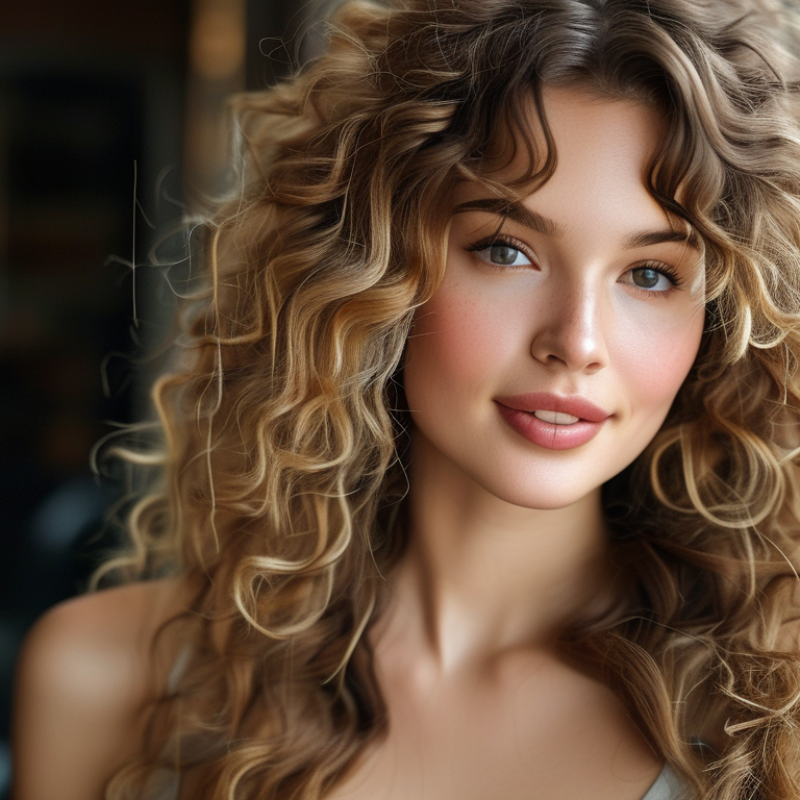
How to Build a Healthy Hair Care Routine for All Hair Types?

Understanding Different Hair Types and Their Needs

Understanding different hair types is crucial for developing an effective hair care routine. Studies show that 40% of people are unaware of their specific hair type. Hair can generally be categorized as straight, wavy, curly, or coily. Each type has distinct needs that affect product choice and care methods. For instance, straight hair tends to be oilier and may benefit from lightweight products.

Wavy hair often requires hydration to prevent frizz. Research indicates that 65% of individuals with wavy hair struggle with moisture retention. Curly and coily hair types need extra moisture and protection due to their unique structure. According to industry data, 70% of people with curly hair experience dryness. These hair types benefit greatly from oils and creams designed for their specific needs.

Creating a routine that acknowledges these differences is essential. However, many people overlook these details. This can lead to ineffective care practices. Understanding your hair type allows for better decisions. It enhances overall hair health and appearance.

How to Build a Healthy Hair Care Routine for All Hair Types?

Hair Type Characteristics Care Tips Recommended Products
Straight Smooth and shiny; tends to get greasy quickly. Use lightweight shampoos; avoid heavy oils. Volumizing shampoo, light conditioner.
Wavy Has a natural wave; can be prone to frizz. Use curl-enhancing products; apply leave-in conditioner. Curl cream, moisturizing conditioner.
Curly Defined curls; may be dry and fragile. Moisturize regularly; avoid heat styling. Hydrating shampoo, deep conditioner.
Coily Tight coils; often dry and lacks moisture. Use heavy creams; regular deep conditioning. Shea butter, thick moisturizing products.
Fine Thin strands; often flat and lifeless. Avoid heavy products; use volumizing sprays. Volumizing mousse, light gel.
Thick Heavy and coarse; may be more resistant to styles. Use rich moisturizers; trim regularly to reduce bulk. Creamy conditioner, deep treatments.

Essential Components of a Hair Care Routine

Building a hair care routine requires understanding the essential components for maintaining healthy hair. A balanced approach focuses on cleansing, conditioning, and protection. Choose a gentle shampoo that fits your hair type. Regular cleansing removes dirt and oils, preventing scalp issues. For color-treated or dry hair, a sulfate-free shampoo is often beneficial.

Conditioning is equally crucial. It nourishes and hydrates the hair. Look for conditioners with natural ingredients. Apply it from mid-length to ends for maximum effect. Leave it on for a few minutes before rinsing. Over-conditioning can weigh hair down, so finding the right balance is essential.

Protection comes next. Heat styling tools can damage hair if used excessively. Always apply a heat protectant before using such tools. Consider incorporating a deep conditioning treatment once a week for extra moisture. Embrace your hair’s unique needs. Everyone’s hair is different, and what works for one may not work for another. Testing and adjusting your routine will lead to healthier hair over time.

Choosing the Right Products for Your Hair Type

Building a hair care routine tailored to your specific hair type is essential for promoting health and vitality. According to the American Academy of Dermatology, different hair types require different care. Textured hair tends to be drier, needing heavier moisturizers, while straight hair often benefits from lightweight products to avoid oiliness.

Choosing the right products starts with understanding your hair's needs. For example, if you have fine hair, opt for volumizing shampoos and conditioners that won’t weigh it down. In contrast, thicker, coarser hair benefits from hydrating formulas that enhance moisture retention. A study by the International Journal of Cosmetic Science emphasizes that sulfate-free shampoos can reduce dryness for many hair types.

Tips: Always read ingredient labels. Look for natural oils for dry hair and lightweight silicones for fine hair. Experiment with different application techniques, like using oils on damp hair for added nourishment. You might notice variations depending on climate and styling practices; some products may work well in humidity but not in dry conditions. Be flexible and adjust your routine as necessary. Balancing your products effectively can lead to healthier hair over time.

Techniques for Washing and Conditioning Hair Properly

Washing and conditioning hair properly is essential for maintaining a healthy mane. According to a report by the American Academy of Dermatology, improper washing can lead to scalp conditions like dandruff or excessive oiliness.

To avoid these issues, start by choosing the right shampoo based on your hair type. A sulfate-free formula can be gentler on your scalp and hair.

When washing, use lukewarm water to prevent damage. Hot water can strip essential oils from your hair, leaving it dry. Focus on massaging the scalp gently with your fingertips. This stimulates blood flow and helps in cleaning the scalp thoroughly. Rinse the shampoo out completely. Residual product can cause buildup, leaving your hair looking dull.

After washing, it's time to condition. Apply conditioner primarily to the ends of your hair to avoid weighing it down at the roots. Leave it on for at least three minutes for better absorption. For added moisture, consider incorporating a deep conditioning treatment once a week. If your hair feels heavy or greasy afterward, you may be using too much product.

Tip: Adjust your routine based on your hair's current condition. Hair changes with the seasons. It can become drier in winter or oilier in summer. Experiment and find what works best for you!

Building a Consistent Hair Care Schedule for Optimal Health

Creating a consistent hair care schedule is crucial for maintaining healthy hair. Start by determining your hair type. Whether it’s straight, wavy, curly, or coily, your routine should cater to its specific needs. Each hair type deserves attention. For example, curly hair often needs more moisture. Meanwhile, straight hair may benefit from lighter products.

Incorporate regular wash days into your schedule. Aim for every 3 to 7 days, depending on oiliness. Use a gentle shampoo to prevent stripping natural oils. Consider conditioning weekly to enhance moisture retention. You might think twice about your heat styling habits, as excessive heat can lead to damage. Embrace air drying whenever possible.

Track your progress over time. Notice what products work best and what doesn’t. Even small changes in weather can affect your hair's health. Monitoring these factors can help you adjust your routine. It’s common to face challenges, like dryness or frizz. Adjustments are necessary for optimal results. A flexible and adaptive approach will build a routine that remains effective through life’s changes.

FAQS

: How can I identify my hair type?

: You can categorize your hair as straight, wavy, curly, or coily. Each type has unique needs.

Why is knowing my hair type important?

Many ignore their hair type, harming their care routine. Proper understanding boosts hair health and appearance.

What do I need in a hair care routine?

A balanced routine includes cleansing, conditioning, and protection. Choose products that suit your hair type.

How should I choose a shampoo?

Look for a gentle, suitable shampoo for your hair. Consider sulfate-free options for dry or color-treated hair.

What’s the best way to condition my hair?

Apply conditioner from mid-length to ends. Avoid over-conditioning, as it can weigh down your hair.

How can I protect my hair from heat damage?

Always use a heat protectant before using styling tools. Consider deep conditioning weekly for extra moisture.

What products work best for fine hair?

Fine hair benefits from volumizing shampoos and lightweight conditioners. Avoid heavy products that can weigh it down.

What should I look for in products for dry hair?

Heavier moisturizers and natural oils work well for dry or textured hair. Read ingredient labels for better choices.

Can climate affect my hair care routine?

Yes, products may work differently in humidity versus dry conditions. Be flexible and adjust your routine as needed.

Is it normal to have varying results with products?

Absolutely. Expect variations based on styling practices and climate. Testing is key to finding what works for you.

Conclusion

Building a healthy hair care routine is essential for maintaining the vibrancy and health of your hair, regardless of its type. To begin, it’s crucial to understand the different hair types—be it straight, wavy, curly, or coily—and their specific needs. A well-rounded hair care routine incorporates essential components such as proper washing, conditioning, and moisturizing, tailored to your hair type.

Choosing the right products is vital; look for those that cater specifically to your hair’s requirements. Additionally, mastering the techniques for washing and conditioning your hair can significantly enhance its health. Developing a consistent hair care schedule ensures that you dedicate time to nourish your strands regularly, leading to optimal health and managing maintenance over time. By following these steps, you will learn how to build a healthy hair care routine that promotes strong, beautiful hair.

Sienna

Sienna

Sienna is a skilled marketing professional with a deep expertise in our company’s core products and services. With a passion for innovation and detail, she plays a pivotal role in crafting insightful blog posts that not only highlight the unique features of our offerings but also provide valuable......