Scalp health is often overlooked, yet it plays a critical role in overall hair vitality. According to a report by the American Academy of Dermatology, nearly 50% of individuals experience some form of scalp issue. To explore effective ways to address this, many are turning to natural methods. Dr. Lisa Johnson, a renowned dermatologist, emphasizes that "how to improve scalp health naturally is a journey that requires patience and consistency." This insight reflects the growing interest in holistic approaches to scalp care.
Natural remedies can offer significant benefits for scalp health. Ingredients like tea tree oil, aloe vera, and coconut oil have shown promising results. However, the effectiveness of these remedies can vary among individuals. The inconsistency highlights the importance of personalized care. While some may find relief, others might need to explore different options. Recognizing this can prevent frustration and encourage a mindset of experimentation.
Many people still rely on commercial products, often overlooking nature's offerings. There remains a need for awareness about integrating natural solutions into daily routines. Empowering individuals to take charge of their scalp health will pave the way for healthier hair. A balanced approach that combines knowledge and experience will enhance the conversation around “how to improve scalp health naturally.”
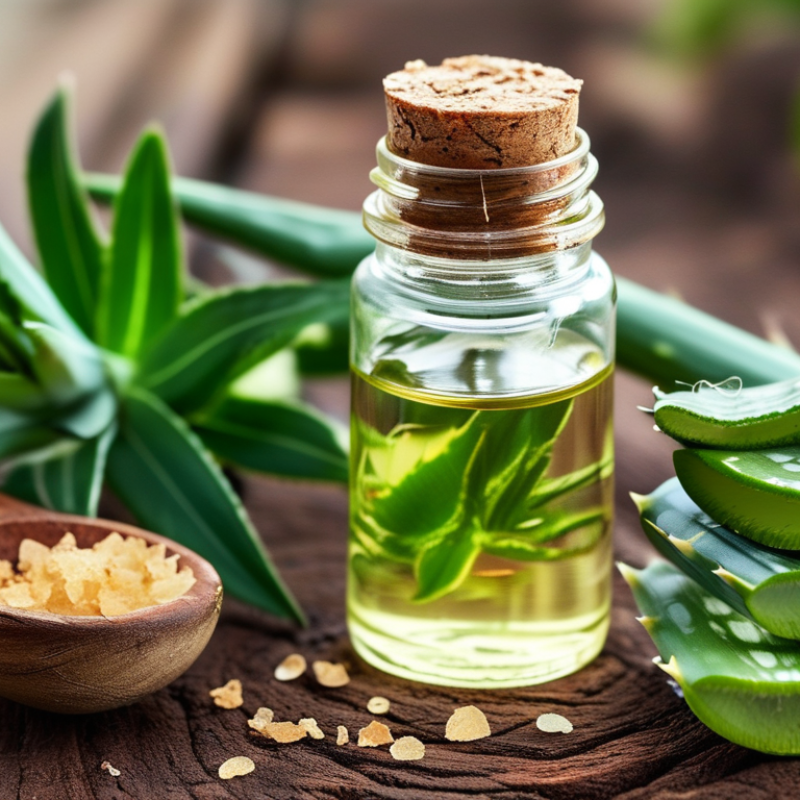
Scalp health is often overlooked but plays a crucial role in overall hair health. A healthy scalp ensures proper hair growth and can prevent various conditions such as dandruff and hair loss. According to a report from the American Academy of Dermatology, 50% of adults experience some form of scalp disorder at some point in their lives. This statistic highlights the importance of understanding the functions of the scalp, which include protecting the head from external elements, regulating temperature, and supporting hair follicles.
The scalp is home to numerous sebaceous glands that produce sebum. This oil is vital for keeping the hair moisturized and protecting the scalp from dryness and irritation. However, an imbalance in sebum production can lead to scalp issues. Research indicates that a balanced scalp microbiome supports hair health, reducing conditions like seborrheic dermatitis. Regular cleansing and mindful product choices contribute to this balance. Natural ingredients, such as tea tree oil and aloe vera, can help maintain a healthy environment for scalp flora.
Neglecting scalp health can have lasting consequences. Many people ignore early signs of discomfort or dryness, which can lead to more severe issues. It’s important to pay attention to changes, as they can indicate underlying problems. By nurturing scalp health through natural methods, one can promote hair vitality. This approach encourages not just immediate results but long-term well-being of both scalp and hair.
: Scalp health is crucial for hair growth and preventing conditions like dandruff and hair loss.
Common issues include dryness, flakiness, inflammation, and dandruff, which can cause discomfort and embarrassment.
Signs of a dry scalp include itchiness and visible flakes, often linked to harsh shampoos or weather changes.
Natural oils like tea tree and coconut oil can soothe irritation, while regular scalp massages improve blood circulation.
Incorporating omega-3 fatty acids and plenty of fruits and vegetables can nourish and hydrate the scalp effectively.
Regularly check for changes in comfort or texture. Ignoring signs can lead to more severe underlying problems.
Yes, stress and a poor diet can worsen scalp conditions, stressing the need for a holistic approach to care.
Avoiding tight hairstyles, staying hydrated, and dedicating time to scalp care can greatly enhance overall health.
Not all products are safe; some contain irritating chemicals that can harm scalp health. Opt for gentler alternatives.
Regular cleansing and mindful use of natural ingredients can help maintain a healthy environment for scalp flora.
Scalp health is crucial for overall hair wellness and can significantly affect one's appearance and confidence. Understanding the importance and functions of the scalp lays the foundation for identifying common issues such as dryness, itchiness, or flakiness. To improve scalp health naturally, individuals can explore various natural remedies including specific herbs and essential oils known for their soothing and nourishing properties.
Furthermore, adopting a healthy lifestyle plays a vital role; a balanced diet and beneficial habits can contribute to a flourishing scalp environment. Regular scalp hygiene practices, including proper washing and care techniques, are essential for maintaining cleanliness and promoting hair growth. By implementing these comprehensive strategies, anyone can learn how to improve scalp health naturally and enjoy the benefits of a healthy scalp.

 SALA Beauty