Healthy and strong hair is essential for overall appearance and confidence. According to the American Academy of Dermatology, nearly 80 million people in the United States experience hair loss. Maintaining hair health can be a challenge. Many people ask, "how to keep hair healthy and strong?"
Experts recommend natural methods for nourishing hair. A study published in the Journal of Dermatology highlights the benefits of using natural oils. For instance, coconut oil can penetrate hair fibers, reducing protein loss. Additionally, vitamins play a crucial role. Deficiencies in vitamins A, D, and E have been linked to hair issues.
However, not all approaches are effective for everyone. Different hair types require unique care. What works for one might not work for another. Monitoring your hair's response to treatments is vital. Each individual's journey to healthy hair involves trial and reflection. Ultimately, embracing a personalized routine is key to achieving vibrant hair naturally.
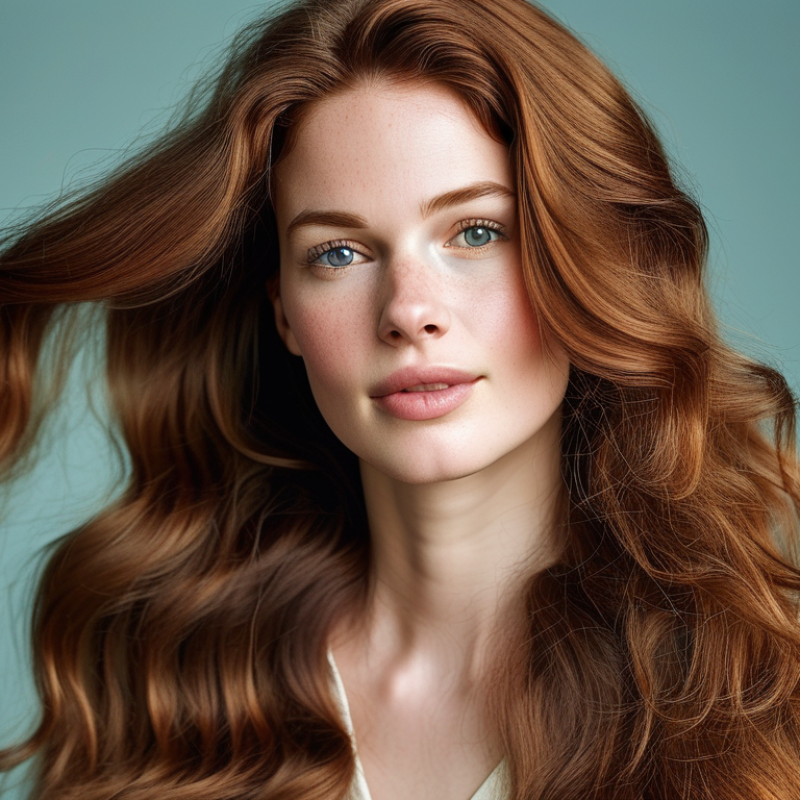
Understanding Hair Structure and Health Essentials
Understanding hair structure is crucial for maintaining its health. Hair consists of three main layers: the cuticle, cortex, and medulla. The cuticle acts as a protective barrier. A damaged cuticle can lead to breakage. According to a study from the Journal of Cosmetic Science, 90% of people report hair damage due to environmental stressors.
Nutrition plays a significant role in hair strength. Biotin, zinc, and proteins are essential for hair health. The American Academy of Dermatology emphasizes that a balanced diet supports hair growth. Inadequate nutrient intake can lead to hair thinning. People often overlook the importance of hydration. Staying hydrated is crucial for cell function, including hair follicles.
Mindful hair care practices can notably improve health. Avoid excessive heat styling and harsh chemicals. Regular trimming can also prevent split ends. Though we strive for perfection, hair issues are common. It’s vital to listen to your hair’s needs. Individual hair types require different care methods. что-то с питательными веществами и режимом, который спорный, может ввести в заблуждение. Reflecting on personal habits can lead to better outcomes.
Nourishing Your Hair: Natural Remedies and Ingredients
Nourishing your hair naturally is a practical approach to maintaining its health and strength. Many natural remedies have been backed by studies. For instance, a recent report found that essential oils, including rosemary and lavender, can improve hair growth in people with androgenetic alopecia. The study highlighted that 44% of participants who applied these oils experienced noticeable improvements in hair density.
Using natural ingredients like coconut oil is beneficial too. Coconut oil has lauric acid, which penetrates hair strands effectively. Research shows it reduces protein loss from hair, making it stronger. However, not all hair types may respond well to oils. People with fine hair might find it weighs down their strands.
Incorporating natural ingredients like aloe vera or honey can also enhance scalp health. Aloe vera contains enzymes that promote healthy hair growth and reduces dandruff. Honey is a natural humectant that keeps hair moisturized. It’s worth noting that natural remedies yield varying results. Progress can be slow. Tracking your routine and being patient can guide you to what really works for your hair type.
How to Keep Hair Healthy and Strong Naturally? - Nourishing Your Hair: Natural Remedies and Ingredients
| Natural Ingredient |
Benefits |
Usage Tips |
| Coconut Oil |
Moisturizes hair, reduces protein loss |
Apply to hair and scalp, leave for 30 mins before washing |
| Olive Oil |
Promotes smoothness, reduces frizz |
Warm slightly and apply as a pre-wash treatment |
| Aloe Vera |
Conditions hair, soothes scalp irritation |
Use gel directly on scalp and hair as a mask |
| Honey |
Provides moisture, adds shine |
Mix with conditioner and apply, leave for 20 mins |
| Eggs |
Rich in protein, strengthens hair |
Use whole egg as a mask, rinse after 30 mins |
Daily Practices for Strong and Healthy Hair
To maintain strong and healthy hair, daily practices are crucial. Start your day with a gentle scalp massage. This increases blood circulation, nourishing hair follicles. Use your fingertips. Avoid nails to prevent irritation. Spend five minutes on this simple ritual.
Stay hydrated throughout the day. Water helps maintain moisture levels in your hair. Aim for at least eight glasses daily. This prevents dryness and brittleness. Incorporate nutrient-rich foods into your meals. Foods like spinach, eggs, and nuts support hair strength and health.
Limit heat styling. Heat can damage hair and lead to breakage. If you must use heat, always apply a heat protectant. Consider air-drying your hair whenever possible. Trim your hair every six to eight weeks. This helps remove split ends, promoting overall health. Pay attention to how your hair reacts to these changes. It may take time to see results, but consistency is key.
The Role of Diet in Promoting Hair Strength
Diet significantly influences hair strength. Consuming adequate nutrients is essential. Protein, vitamins, and minerals should be prioritized. According to the American Academy of Dermatology, a diet rich in protein can improve hair growth. Hair is primarily made of keratin, a protein.
Vitamin D is another crucial element. A study published in the Journal of Endocrinology found that low levels of Vitamin D are linked to hair loss. Foods such as fatty fish, fortified cereals, and mushrooms are excellent sources. Iron also plays a vital role. The World Health Organization notes that iron deficiency can lead to hair thinning. Including leafy greens, beans, and lean meats can help.
Maintaining a balanced diet is not always easy. Busy lifestyles often lead to poor food choices. Quick meals may lack essential nutrients. This inconsistency can take a toll on hair health. Individuals should strive for better eating habits. Staying mindful of food choices is key to promoting stronger hair. Diversifying one’s diet can also boost overall wellness.
Scalp Care Techniques for Optimal Hair Growth
Scalp health plays a crucial role in hair growth. A clean scalp allows hair follicles to breathe. Regular exfoliation helps remove dead skin and product buildup. You can create a simple scrub using sugar and natural oils. Gently massage it into your scalp for a few minutes. This promotes circulation and stimulates hair growth.
Moisture is vital for scalp health. Use natural oils like coconut or jojoba oil. Apply them to your scalp and leave for at least an hour. This treatment nourishes the skin and prevents dryness. Pay attention to any irritation or itching. Noticing changes is key to effective care. Regular oil treatments can be beneficial, but balance is essential. Too much oil can clog pores.
Incorporating herbal rinses can enhance scalp vitality. Chamomile and rosemary infusions are excellent choices. They soothe inflammation and might improve hair growth. Allow them to cool before applying. While there is much to explore, remain observant. Each scalp responds differently to treatments. Adapting your approach can lead to better health outcomes.
FAQS
: Hair consists of three layers: cuticle, cortex, and medulla. These layers contribute to overall strength.
Nutrition is vital. Biotin, zinc, and proteins help strengthen hair. A balanced diet promotes better hair growth.
Staying hydrated is crucial. It supports cell function, including maintaining healthy hair follicles. Aim for eight glasses daily.
Avoid excessive heat styling. Regular trimming can prevent split ends. Listening to your hair is essential for better health.
A clean scalp is key. Regular exfoliation removes buildup. You can use sugar scrubs to stimulate scalp circulation.
Yes, natural oils help nourish the scalp. Coconut or jojoba oil can prevent dryness but balance is crucial to avoid clogged pores.
Trim every six to eight weeks. This helps remove split ends and promotes overall hair health.
Herbal rinses can enhance scalp vitality. Chamomile and rosemary infusions soothe inflammation and might support hair growth.
It may take time to see changes. Consistency in your care routine is crucial for achieving noticeable improvements.
Many overlook hydration and proper nutrition. Reflecting on personal habits is important for better hair outcomes.
Conclusion
To understand how to keep hair healthy and strong, it's essential to first grasp the structure of hair and the key factors that contribute to its health. Natural remedies and nourishing ingredients, such as oils and herbal treatments, can significantly enhance hair vitality. Daily practices, including gentle washing and minimal heat exposure, play a crucial role in maintaining hair strength.
Furthermore, a balanced diet rich in vitamins, minerals, and proteins is vital for promoting hair resilience and growth. Additionally, implementing effective scalp care techniques can stimulate follicles and encourage optimal hair growth. By combining these strategies, individuals can naturally maintain their hair's health and strength for a vibrant, luscious mane.

 SALA Beauty