10 Best Reasons Why Is My Hair Still Oily After Washing?

Time:2026-06-22 Author:Isabella
0%

Experiencing oily hair even after a fresh wash can be perplexing. Many people wonder, “why is my hair still oily after washing?” This issue can arise from various causes, making it essential to understand each factor.

Hair naturally produces oil to maintain its health. However, excessive oil can signal underlying problems. Sometimes, the hair care products you use may not suit your hair type. It could be that you’re washing too frequently, stripping natural oils and prompting the scalp to overcompensate.

Moreover, hormonal changes and diet can impact oil production. Stress also plays a crucial role. Reflecting on these aspects can help in finding solutions. Identifying why your hair remains oily requires a closer look at your routine and choices. The journey to healthier hair starts with understanding these fundamental reasons.
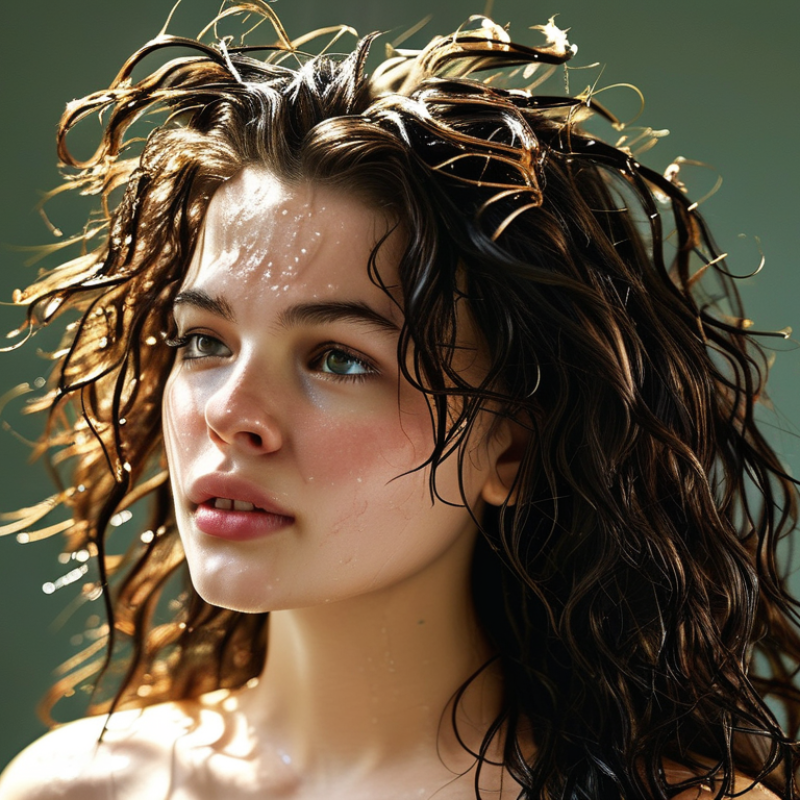
10 Best Reasons Why Is My Hair Still Oily After Washing?

Understanding the Oil Production Process in the Scalp

Understanding the oil production process in the scalp is essential for those struggling with oily hair after washing. The scalp has sebaceous glands that produce sebum, a natural oil. This oil protects the hair and keeps the scalp moisturized. However, sometimes these glands overproduce sebum, leading to greasy hair.

Factors affecting oil production include genetics, diet, and even stress. If you have oily hair, it might be worth examining your shampoo routine. Some shampoos strip too much oil, causing the scalp to compensate by producing even more sebum. It’s a cycle that can be frustrating. Additionally, hormonal changes can play a significant role. If hormone levels fluctuate, oil production might increase unexpectedly.

Understanding your scalp's unique chemistry can help you manage oiliness. Try adjusting your washing frequency or experimenting with different products. A common mistake is over-washing, which can worsen oiliness. Identifying these issues might take time, but small changes can lead to noticeable improvements. Oily hair can be disheartening, but reflecting on personal habits may reveal solutions.

10 Best Reasons Why Is My Hair Still Oily After Washing? - Understanding the Oil Production Process in the Scalp

Reason Description Solutions
Overwashing Washing hair too frequently can strip natural oils, leading to increased oil production. Adopt a washing schedule that suits your hair type, usually every 2-3 days.
Wrong Shampoo Choice Using heavy or moisturizing shampoos can add to oiliness. Choose a clarifying or oil-free shampoo.
Genetics Inherited tendencies can influence oil production in the scalp. Consult with a dermatologist for personalized approaches.
Hormonal Changes Hormonal shifts, like puberty or menopause, can increase sebum production. Seek medical advice for hormonal regulation options.
Diet High intake of sugars and fats can lead to oily scalp conditions. Maintain a balanced diet rich in fruits and vegetables.
Improper Rinsing Not rinsing out shampoo and conditioner thoroughly can leave residues. Ensure to rinse thoroughly with warm and then cold water.
Build-Up of Hair Products Frequent use of styling products can result in buildup leading to oiliness. Use product-free days and consider a detox shampoo.
Environmental Factors Humidity and pollution can increase oiliness in hair. Use protective hairstyles and products.
Stress High-stress levels may trigger excess sebum production. Incorporate stress-relieving activities like yoga or meditation.

Factors Contributing to Excess Oil After Washing Hair

Excess oil on your hair after washing can be frustrating. Several factors may contribute to this issue. One significant reason is overactive sebaceous glands. These glands produce sebum, an oily substance that protects and hydrates hair and skin. Stress, hormonal imbalances, and diet can all influence oil production. A study by the American Academy of Dermatology found that hormonal fluctuations can significantly increase oil secretion.

Another possible factor is the choice of hair care products. Some shampoos may strip too much natural oil, triggering the scalp to produce more sebum. In contrast, using extremely moisturizing conditioners can lead to a greasy buildup. In a survey conducted by the International Journal of Cosmetic Science, 40% of participants reported using too heavy products as a key reason for oily hair.

Additionally, hair washing frequency plays a critical role. Washing hair too often or too infrequently can lead to an imbalance in oil production. A study by the Journal of Dermatology suggests that finding the right wash schedule based on hair type is essential. Neglecting to adjust this may lead to disappointing results, regardless of how clean you intend to make your hair.

The Role of Hair Products in Oily Hair Issues

The role of hair products in managing oily hair is significant. Many people believe that frequent washing will reduce oiliness. However, using the wrong hair products can exacerbate the issue. Research shows that approximately 60% of individuals with oily hair report that their products contribute to excess oil buildup. This highlights the importance of product selection.

Surfactants found in shampoos can strip natural oils but can also trigger excess oil production. A study conducted by the Journal of Dermatology found that over-cleansing can lead to compensatory oil production from the scalp. Individuals often overlook the ingredients in their hair products. Silicones and heavy oils can weigh hair down, leaving it greasy. This understanding is key to addressing ongoing oiliness.

Moreover, those with oily hair often use styling products that contain waxes or oils. A 2022 consumer report highlighted that 45% of people with oily hair use products that worsen their condition. These findings suggest that consumers need to be more discerning. If your hair remains oily after washing, it might be worth reevaluating your product choices. Transitioning to lighter formulations could reduce greasiness while still providing adequate care. Adapting your hair care routine is crucial in solving persistent oiliness.

Common Washing Techniques That Fail to Remove Oil

Many people struggle with oily hair even after washing. Common washing techniques often fall short, leading to persistent grease. Understanding why this happens can help improve hair care routines.

Using the wrong shampoo can be a primary reason. Many shampoos contain sulfates, which may strip hair of essential oils, causing overproduction of sebum. According to a study by the International Journal of Cosmetic Science, sulfate-free shampoos can maintain the scalp's natural balance better than traditional options. Choosing gentle, pH-balanced cleansers is critical.

Another issue arises from improper washing methods. Rushing through the washing process can leave residue behind, exacerbating oiliness. The American Academy of Dermatology suggests spending at least two minutes massaging shampoo into the scalp. This action promotes better cleansing. Additionally, people often neglect to rinse thoroughly. Inadequate rinsing can trap product buildup, leading to a cycle of oiliness. Recognizing these common pitfalls can guide you toward more effective hair care practices.

10 Best Reasons Why Is My Hair Still Oily After Washing?

When to Seek Professional Help for Oily Hair Concerns

Oily hair can be frustrating, especially after washing. It's important to understand when to seek professional help. If your scalp remains greasy despite your efforts, it might indicate an underlying issue. Hormonal changes, diet, or even stress can contribute to this condition. Consulting a dermatologist can provide insights tailored to your specific needs.

Regular visits to a professional can help identify these factors. Sometimes, over-washing can irritate the scalp, prompting more oil production. A professional can recommend a suitable hair care routine. They may also suggest treatments to balance scalp health.

Tips: Look for products with natural ingredients. Avoid heavy conditioners close to the scalp. And remember, balancing oil production requires patience and experimentation. Document your hair care routine and note what works or doesn’t. This reflection can guide discussions with a specialist.

FAQS

: Why does my hair feel oily even after washing?

: Overactive sebaceous glands and using heavy hair products can lead to excess oil after washing.

How do hormones affect oil production in hair?

Hormonal fluctuations can significantly increase sebaceous gland activity, leading to more oil on the scalp.

Can stress impact my hair's oiliness?

Yes, stress influences oil production, making hair greasier. Managing stress might help reduce oiliness.

Is it bad to wash my hair too often?

Washing frequently can disrupt natural oil balance. Finding the right frequency is crucial for healthy hair.

What types of hair products should I avoid for oily hair?

Avoid heavy conditioners and products with silicones. They can cause buildup and worsen oiliness.

How can my washing technique affect oily hair?

Rushing through washing or not rinsing thoroughly can leave residues, contributing to persistent oiliness.

Should I switch to sulfate-free shampoos?

Yes, sulfate-free shampoos can help maintain your scalp's natural balance and reduce excess oil production.

What happens if I don't adjust my hair care routine?

Not adapting your routine may lead to ongoing issues with oiliness, regardless of your washing frequency.

How long should I spend washing my hair?

Aim for at least two minutes massaging shampoo into your scalp. This ensures better cleansing and oil removal.

Can light hair products help with greasiness?

Transitioning to lighter formulations could reduce greasy buildup while still providing necessary moisture.

Conclusion

If you've ever wondered "why is my hair still oily after washing," understanding the oil production process on the scalp is crucial. The scalp naturally produces sebum, which can sometimes lead to excess oil, especially when combined with various factors such as hormonal changes, diet, and environmental influences. Additionally, the use of certain hair products can exacerbate the issue, contributing to a greasy appearance even after washing.

Common washing techniques may also fall short if they don't effectively remove oil, leading to frustration. If you find that your hair remains oily despite your best efforts, it might be time to reevaluate your hair care routine or seek professional help. This could provide you with tailored solutions and insights on how to manage oily hair concerns effectively.

Isabella

Isabella

Isabella is a dedicated marketing professional with a sharp focus on driving brand growth and engagement through strategic content creation. With an extensive background in digital marketing, she combines her passion for storytelling with her keen understanding of industry trends to deliver......