10 Tips on How to Keep Hair Hydrated and Smooth?

Time:2026-09-20 Author:Sienna
0%

Dry, rough hair is not always a sign of poor care. Weather, heat styling, chemical processing, friction, and frequent washing can all weaken the hair’s protective cuticle. The American Academy of Dermatology Association explains that damaged hair becomes fragile and breaks more easily, especially after repeated chemical or thermal treatment. Industry data also shows why hydration matters commercially. Circana’s 2024 U.S. prestige beauty report identified hair care as one of the category’s important growth areas, reflecting stronger consumer interest in scalp and strand health. Meanwhile, McKinsey’s The State of Fashion: Beauty predicts continued expansion in global beauty spending through 2030, with consumers demanding more effective, evidence-based products.

Healthy-looking hair needs more than a glossy finish. It needs water, conditioning agents, reduced friction, and protection from excessive heat. A practical routine might include a gentle cleanser, a rich conditioner, a weekly treatment, and a heat protectant before using a dryer. Small details matter. Blot hair with a soft towel instead of rubbing it aggressively. Detangle from the ends upward. Still, no routine works perfectly for everyone. Porosity, curl pattern, climate, and previous damage can change the result. That is why learning how to keep hair hydrated and smooth should begin with observation, not product accumulation. Check whether the ends feel rough after washing. Notice whether strands snap during brushing. These clues can guide better choices, although professional advice may be necessary when shedding or breakage becomes persistent.
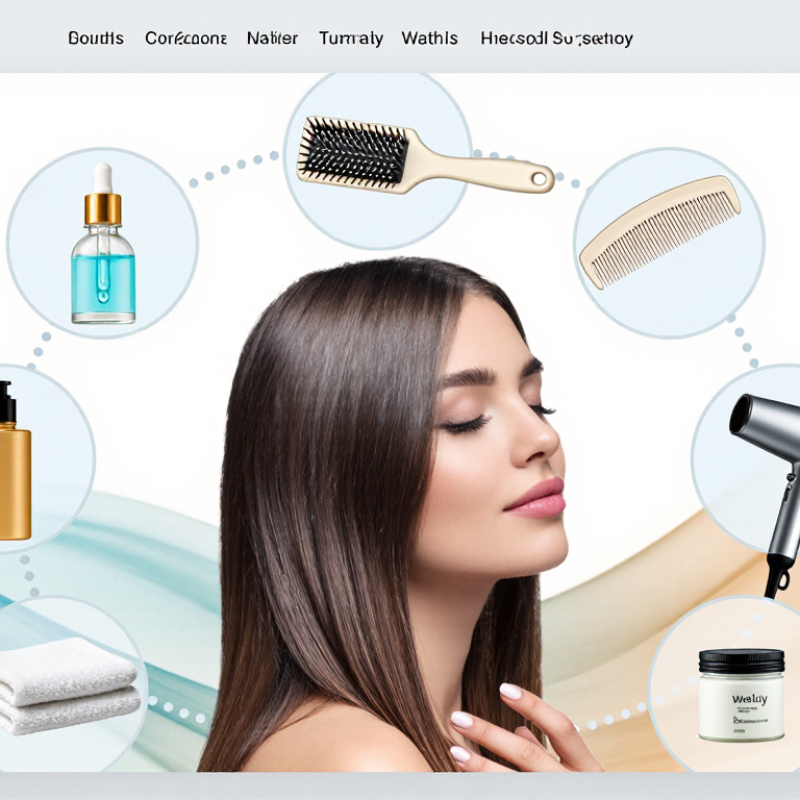
10 Tips on How to Keep Hair Hydrated and Smooth?

Understanding the Causes of Dry, Rough, and Dehydrated Hair

10 Tips on How to Keep Hair Hydrated and Smooth?

Dry hair is not always thirsty. It may be missing oil, have a damaged cuticle, or suffer from both. The outer cuticle acts like overlapping roof tiles. Heat, bleaching, sunlight, chlorine, and rough brushing can lift these tiles. Porous strands then lose moisture quickly. Fine hair may feel dry after frequent cleansing, while coarse curls often need richer conditioning. Hard water can also leave mineral deposits, causing stiffness and dullness. I learned this after washing daily with very hot water. The problem was my routine, not my shampoo alone.

Start gently. Wash with lukewarm water and a mild cleanser. Avoid scrubbing the lengths. Massage your scalp, then let the foam rinse through. Apply conditioner from mid-lengths to ends, leaving it for several minutes.

Detangle damp hair with a wide-tooth comb, beginning at the ends. Press water out with a soft towel or cotton shirt. Do not rub. Apply a small amount of leave-in conditioner to wet curls or dry ends. Less is often better.

Limit hot tools and use the lowest effective temperature with heat protection. Trim split ends because products only disguise them temporarily. Reduce friction with a smooth pillowcase or loose braid.

If itching, flakes, sudden shedding, or persistent brittleness continues, consult a dermatologist or qualified trichologist. They can assess scalp conditions, nutritional concerns, or chemical damage.

Patch-test new products and change one habit at a time. I still use too much conditioner sometimes. Hair care needs observation, not perfection.

Choosing Moisturizing Products for Different Hair Types

Choosing a moisturizer starts with hair structure, not advertising claims. A 2023 review in the International Journal of Trichology reports that healthy hair usually contains about 10–15% water. Curly and chemically treated hair often loses moisture faster because its raised cuticle increases friction. Fine hair needs lightweight formulas, such as water-based conditioners and small amounts of glycerin. Thick, coarse hair can handle richer creams containing fatty alcohols, plant oils, or lightweight silicones. Too much oil can make fine strands limp.

Tip 1: Check your hair after washing. If it feels rough within hours, use a leave-in conditioner with humectants. If it feels greasy, reduce the product by half. Small changes matter. The 2024 Professional Beauty Association workforce report highlights continued consumer demand for personalized hair services, supporting a practical point: texture-based advice is more useful than one formula for everyone. Still, online hair typing is imperfect. Porosity tests can mislead because buildup changes how strands behave.

Tip 2: For wavy hair, choose a light lotion and scrunch it into soaking-wet strands. For curls, layer conditioner under a richer cream, then avoid aggressive towel rubbing. For bleached hair, prioritize conditioning agents and heat protection; a 2022 review in Cosmetics links repeated chemical processing with cuticle damage and reduced fiber strength.

Tip 3: Apply products from mid-lengths to ends, where dryness usually appears. Reassess after two weeks. Your hair may need less than expected.

Building a Gentle Washing and Conditioning Routine

Keeping hair hydrated often starts with a gentler wash, not a heavier product. I used to scrub my scalp and drag shampoo through every strand. My hair felt rough afterward. Now, I wet it fully with lukewarm water and massage the scalp with my fingertips for about one minute. Keep it lukewarm. Fingernails can irritate the skin and create tiny scratches. Apply shampoo mainly at the roots, where oil and sweat collect. Let the foam travel through the lengths while rinsing. This reduces unnecessary friction.

Conditioner needs a different approach. Squeeze out excess water first, then spread conditioner from the mid-lengths to the ends. Avoid placing much on the scalp unless it feels genuinely dry. Leave it for two or three minutes while gently separating knots with your fingers or a wide-tooth comb. Start at the ends and move upward. Less pulling means fewer broken hairs. Rinse thoroughly, but do not chase a harsh, squeaky feeling. Hair should feel soft, not coated.

After washing, press hair with a microfiber towel or soft cotton shirt. Rubbing can roughen the cuticle. A small amount of leave-in conditioner may help dry, curly, or chemically treated hair, but too much can make it limp. Washing frequency depends on scalp oil, texture, exercise, and climate. I still sometimes wash too often after a hot workout. That is a useful reminder: clean hair is not automatically healthy hair. Pay attention to tightness, flakes, or persistent shedding, and seek advice from a qualified dermatologist when those signs continue.

Using Deep Treatments and Leave-In Hydration Methods

10 Tips on How to Keep Hair Hydrated and Smooth

Using Deep Treatments and Leave-In Hydration Methods

Tip 1: Start with clean, damp hair. Water helps a deep treatment spread evenly. Tip 2: Apply the treatment from mid-lengths to ends, where dryness usually appears first. Tip 3: Comb gently with wide teeth. Tip 4: Cover your hair for ten to twenty minutes, then rinse with lukewarm water. A hot rinse can leave hair feeling rough. Tip 5: Use a deep treatment once weekly, but adjust the schedule for fine or oily hair. More moisture is not always better.

Tip 6: Press excess water from washed hair with a soft towel. Do not rub vigorously. Tip 7: Apply a small amount of leave-in conditioner while strands remain damp. Focus on the ends and avoid heavy buildup near the scalp. Tip 8: Divide thick hair into sections, then smooth the product through each section with your fingers. Tip 9: Add a little more leave-in on dry days, especially before outdoor activities. Tip 10: Seal the routine with a lightweight styling cream if your hair loses moisture quickly.

I used to apply too much leave-in and blame the weather. My hair looked coated, not hydrated. That mistake taught me to begin with less product. Hair texture, porosity, and water quality can change the result. If strands feel stiff, reduce protein-rich treatments and observe the next wash. If your scalp becomes irritated, stop using the product and seek professional advice. Consistent care works better than rushed applications.

Protecting Hair Moisture from Heat, Sun, and Environmental Damage

10 Tips on How to Keep Hair Hydrated and Smooth?

Heat, sunlight, and polluted air quietly weaken the hair’s outer layer. Start with lukewarm water, not steaming water. Hot water can remove protective oils and leave strands rough. Wash gently, then apply conditioner from mid-lengths to the ends. Avoid the roots if they become oily quickly.

Blot wet hair with a soft towel instead of rubbing it. Wet hair breaks easily.

Before blow-drying, use a heat-protective product and comb carefully from the ends upward. Keep the dryer moving, and choose a moderate temperature. High heat feels faster, but it often creates dryness later.

Let hair air-dry partly before styling. A wide-tooth comb helps reduce pulling. Use a small amount of lightweight oil on dry ends. Too much can make hair look heavy.

Sun exposure also matters. Wear a hat during long outdoor periods, especially near water or snow. Rinse hair with clean water after swimming in saltwater or chlorinated water. In dry weather, a humidifier may help, while a smooth pillowcase can reduce overnight friction.

Environmental damage is not always visible immediately. I used to assume shiny hair was healthy hair, but shine can hide brittle ends. Regular trims and occasional professional assessments provide better evidence.

If your scalp becomes itchy or your hair sheds suddenly, seek advice from a qualified dermatologist. No routine works perfectly for everyone.

FAQS

How should I choose a moisturizer for fine hair?

Choose a lightweight, water-based conditioner or lotion. Use only a small amount of glycerin. Too much oil can leave fine strands limp.

What works best for thick or coarse hair?

Richer creams may suit thick hair better. Look for fatty alcohols, plant oils, or lightweight silicones. Apply mainly from mid-lengths to ends.

How can I tell if my hair needs more moisture?

Check your hair after washing. If it feels rough within hours, try a leave-in conditioner with humectants. If it feels greasy, cut the amount in half.

How should I moisturize wavy and curly hair?

Use a light lotion on soaking-wet waves, then scrunch gently. For curls, layer conditioner under a richer cream. Avoid aggressive towel rubbing.

What routine suits bleached or chemically treated hair?

Prioritize conditioning ingredients and heat protection. Processed hair may have a raised cuticle and weaker fibers. Handle it gently, especially when wet.

How do I use a deep treatment correctly?

Start with clean, damp hair. Apply from mid-lengths to ends, comb gently, and cover for ten to twenty minutes. Rinse with lukewarm water.

How much leave-in conditioner should I apply?

Begin with a small amount on damp hair. Focus on the ends and avoid heavy buildup near the scalp. I once used too much, and my hair looked coated.

How often should I adjust my hair-moisture routine?

Reassess after two weeks. Fine or oily hair may need deep treatments less often. Porosity tests can mislead when buildup is present, so observe your hair directly.

What should I do if my hair feels stiff or my scalp becomes irritated?

Reduce protein-rich treatments if the strands feel stiff. Stop using a product if irritation appears. Seek professional advice when symptoms continue.

Conclusion

Keeping hair hydrated and smooth begins with understanding why it feels dry, rough, or brittle. Common causes include frequent washing, hot water, heat styling, chemical treatments, sun exposure, and dry environmental conditions. The key to learning how to keep hair hydrated and smooth is choosing moisturizing products that match your hair type and texture. Fine hair may need lightweight hydration, while thick, curly, or highly porous hair often benefits from richer formulas containing nourishing oils and conditioning ingredients.

A gentle routine can make a significant difference. Wash with lukewarm water, avoid harsh cleansing too often, and apply conditioner mainly to the mid-lengths and ends. Add a deep-conditioning treatment regularly, and use a leave-in moisturizer to maintain softness between washes. Protect hair from heat with suitable protection, cover it in strong sunlight, and reduce friction from rough towels or pillowcases. With consistent care and careful product selection, hair can retain moisture, improve manageability, and look smoother and healthier.

Sienna

Sienna

Sienna is a skilled marketing professional with a deep expertise in our company’s core products and services. With a passion for innovation and detail, she plays a pivotal role in crafting insightful blog posts that not only highlight the unique features of our offerings but also provide valuable......