China Top 10 Tips for Choosing the Right Shampoo?

Time:2026-06-18 Author:Sienna
0%

Choosing the right shampoo can be daunting. With countless products on the market, making an informed decision is essential. According to a 2022 report by the Hair Care Research Institute, 85% of consumers feel overwhelmed when selecting hair products. Understanding your hair type and specific needs is crucial to avoid mistakes.

Hair care expert Dr. Emily Tan emphasizes, “Understanding how to choose the right shampoo is the first step toward healthy hair.” Her insights reflect the growing importance of tailored hair care. Many people, however, still choose shampoos based on appealing packaging or celebrity endorsements rather than scientific advice.

Identifying the right ingredients can help ensure effective results. Consider factors such as scalp health, hair texture, and environmental influences. Many consumers overlook the significance of pH balance and sulfates in shampoos, which can lead to adverse effects. As you navigate the options, remember that finding the right shampoo is a process that requires patience and understanding.
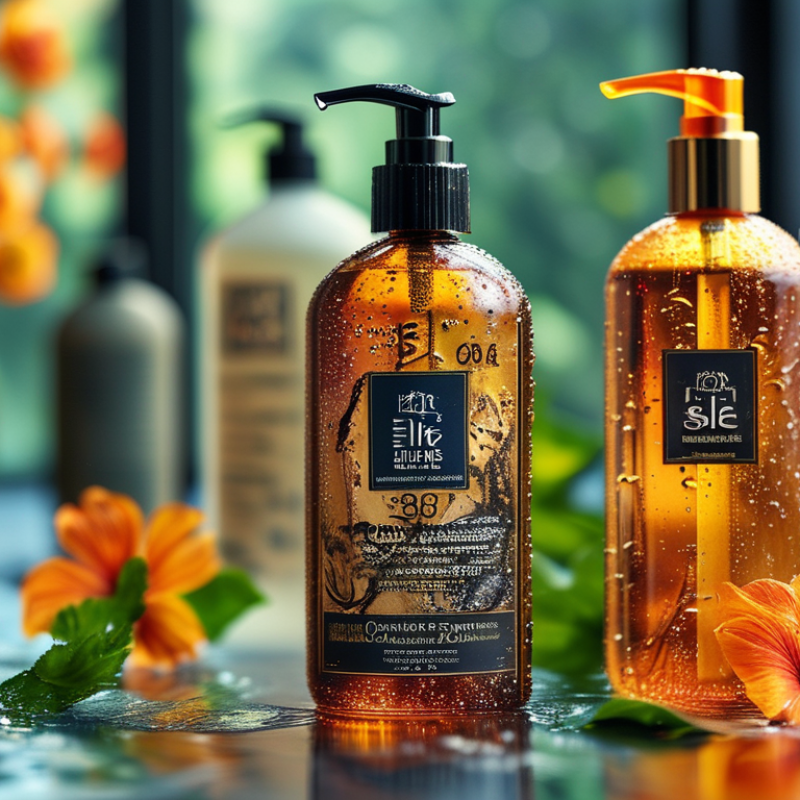
China Top 10 Tips for Choosing the Right Shampoo?

Understanding Different Hair Types for Optimal Shampoo Selection

Choosing the right shampoo starts with understanding your hair type. Each hair type has specific needs. For instance, dry hair often requires moisturizing ingredients. Oily hair may benefit from clarifying shampoos. According to a report by the American Academy of Dermatology, more than 50% of individuals struggle to identify their hair type accurately. This confusion can lead to ineffective product choices.

Tip: Perform a strand test to determine your hair type. Wet a small section of hair to see how it reacts. If it dries quickly, your hair may be porous and need nourishing products. For fine hair, lightweight formulas are essential. Experts suggest avoiding heavy oils that can weigh hair down.

Color-treated hair also has unique requirements. It needs protection from fading and damage. Look for shampoos with color-safe formulas. Nearly 70% of consumers with color-treated hair use products that do not cater to their specific needs, risking long-term health. Finding the right shampoo could potentially enhance your hair's vibrancy and resilience.

Tip: Read ingredient labels closely to identify suitable products. Ingredients like sulfate-free cleansers are crucial for maintaining color. Balancing effective cleansing with hair care is vital for achieving desired results. Understanding these nuances can lead to better hair health and styling success.

Identifying Key Ingredients to Look for in Shampoo Products

When choosing the right shampoo, understanding key ingredients is essential. Each ingredient serves a specific purpose. For instance, sulfates are common cleansing agents but can strip natural oils. If you have dry hair, look for sulfate-free options.

Natural oils like argan or coconut can hydrate and nourish your hair. They provide moisture and can make your hair shine. Herbal extracts such as aloe vera or chamomile soothe the scalp. These ingredients ease irritation and promote a healthy environment for hair growth.

Consider your hair type and needs. If you have color-treated hair, look for products with UV filters. They help maintain color vibrancy. Phytoproteins can strengthen weak strands, offering a protective layer. Remember, not all ingredients work for everyone. Testing is key to finding what truly suits you.

Evaluating pH Balance and Its Importance in Hair Care

When choosing the right shampoo, understanding pH balance is crucial. The pH of a product can significantly impact your hair's health. Ideally, hair and scalp should maintain a pH between 4.5 and 5.5. Shampoos with a too high pH can strip natural oils, leading to dryness.

Using a shampoo with a balanced pH helps preserve moisture. It also supports the hair's cuticle. This results in smoother, shinier strands. If a shampoo is too alkaline, it can cause frizz and brittleness. On the flip side, overly acidic shampoos may weigh hair down. This can create a greasy feeling.

Many options on the market claim to be pH-balanced. However, not all of them deliver meaningful results. Testing a shampoo's pH at home can be enlightening. You might find some products don’t perform as expected. Pay attention to how your hair feels after use. Are you noticing dryness or limpness? Reflect on any changes you see. Your hair deserves a formula that truly serves its needs.

China Top 10 Tips for Choosing the Right Shampoo - Evaluating pH Balance and Its Importance in Hair Care

Tip Number Tip pH Level Importance
1 Check pH Balance 5.0 - 7.0 Prevents scalp irritation
2 Identify Your Hair Type N/A Tailors product selection
3 Look for Natural Ingredients N/A Minimizes chemical exposure
4 Consider Sulfate-Free Options N/A Gentler on hair and scalp
5 Avoid Heavy Fragrances N/A May cause allergic reactions
6 Read Reviews N/A Gives insight into effectiveness
7 Test for Allergies N/A Ensures safety for sensitive skin
8 Be Mindful of Price N/A Quality often correlates with cost
9 Consult a Hair Care Professional N/A Expert advice for specific needs
10 Be Patient with Results N/A Allow time for hair health improvement

Considering Allergies and Sensitivities When Choosing Shampoo

Choosing the right shampoo is crucial, especially for those with allergies or sensitivities. According to the American Academy of Dermatology, nearly 50 million Americans experience some form of skin allergy, which can also affect the scalp. Certain ingredients commonly found in shampoos, like sulfates or fragrances, can trigger adverse reactions. Understanding personal triggers is essential.

Many people overlook the importance of ingredient labels. The Skin Deep Database indicates that several synthetic compounds may cause irritation. Ingredients such as parabens and formaldehyde-releasing preservatives are often culprits. It's wise to opt for products labeled "hypoallergenic" or "fragrance-free." These terms suggest a lower likelihood of causing irritation.

Sensitivity varies among individuals, which complicates the selection process. One person may react negatively to certain natural ingredients, while another does not. Patch tests can help identify problematic products. Consult with a dermatologist if reactions persist. Customized hair care can lead to healthier hair and a more comfortable scalp.

Assessing Brand Reputation and Customer Reviews for Informed Decisions

When choosing the right shampoo, understanding brand reputation and customer reviews can be crucial. It's not enough to pick a product based solely on packaging. Read what others say about their experiences. Look for products that have a consistent track record. Brands with a history of quality are often more reliable.

Customer reviews provide valuable insights. They can reveal unexpected effects or benefits. However, be cautious about biased opinions. Some reviews may be overly positive or negative. Seek balanced perspectives. Check multiple sources for a well-rounded view. Comparing different opinions can help you make an informed choice.

It's also important to reflect on your own hair type and needs. What works for one person may not work for another. Consider factors like scalp sensitivity or hair texture. Don't hesitate to experiment. Sometimes, finding the right shampoo is a journey. Each attempt offers new lessons and insights about your hair care needs.

FAQS

: How can I identify my hair type?

: Perform a strand test by wetting a small section of hair. Observe how quickly it dries.

What products should I use for dry hair?

Look for shampoos with moisturizing ingredients. Nourishing formulas are essential for dry hair health.

Why is pH balance important in shampoo?

The right pH helps preserve moisture and supports healthy cuticles. It prevents dryness and brittleness.

What issues arise from using the wrong shampoo?

Using the wrong shampoo can lead to dryness, frizz, or limpness. Reflect on your hair's reaction after use.

How does color-treated hair differ in needs?

Color-treated hair requires products that protect color. Avoid using products that do not address specific needs.

What should I look for on ingredient labels?

Seek sulfate-free cleansers and other nourishing ingredients. This ensures better protection and care for your hair.

Can all pH-balanced shampoos perform as promised?

Not all marketed pH-balanced shampoos deliver results. Testing products at home may reveal unexpected outcomes.

What happens if shampoo is too alkaline?

Alkaline shampoos can strip natural oils, leading to frizz and dryness. Balance is crucial for healthy hair.

How do I know if my shampoo is effective?

Pay attention to your hair's feel after use. Is it shiny or frizzy? Reflect on these changes.

Are there any common mistakes in shampoo selection?

Many consumers overlook specific hair needs, risking long-term health. Understanding your hair type is vital.

Conclusion

Choosing the right shampoo is essential for maintaining healthy hair, and understanding different hair types is the first step in this process. From straight to curly, each hair type has unique needs, which dictate the type of shampoo that will be most effective. Moreover, identifying key ingredients such as natural oils, proteins, and moisturizers can significantly affect hair health. It's also crucial to evaluate the pH balance of the shampoo, as products that are too acidic or alkaline can damage hair and scalp.

When learning how to choose the right shampoo, it’s important to consider any allergies or sensitivities you may have. Opting for hypoallergenic formulas can prevent irritation and ensure a better hair care experience. Lastly, assessing a brand's reputation and customer reviews can provide insights into product effectiveness, helping you make informed choices. Taking these factors into account will guide you toward finding a shampoo that best meets your hair care needs.

Sienna

Sienna

Sienna is a skilled marketing professional with a deep expertise in our company’s core products and services. With a passion for innovation and detail, she plays a pivotal role in crafting insightful blog posts that not only highlight the unique features of our offerings but also provide valuable......