What does shampoo do for your hair? The short answer is that shampoo cleans your scalp and hair by lifting away oil, sweat, dust, and styling-product residue. When you massage it in, surfactants help loosen this buildup so water can rinse it away. The result is a cleaner-feeling scalp and lighter roots. Not magic.
Cosmetic chemist Michelle Wong offers a useful rule of thumb: “Shampoo is for your scalp; conditioner is for your hair.” That distinction helps explain why shampooing usually focuses on the roots, where oil and residue collect. The lather rinses through the lengths, too, but scrubbing delicate ends can leave them feeling rough or dry. A small amount, worked gently at the scalp, is often enough.
Your hair and routine matter. Fine hair may look oily sooner, while curly or textured hair can feel dry between washes. Sweat, hard water, and styling products can also change what your scalp needs. Shampoo does not repair split ends, and a strong fragrance does not prove that a formula cleans better. It can be tempting to chase a squeaky-clean feeling, but that sensation is not a reliable measure of healthy hair. Sometimes, honestly, it just means the wash felt too harsh. This guide looks at how shampoo works, how to choose a formula, and how to use it without turning wash day into guesswork.
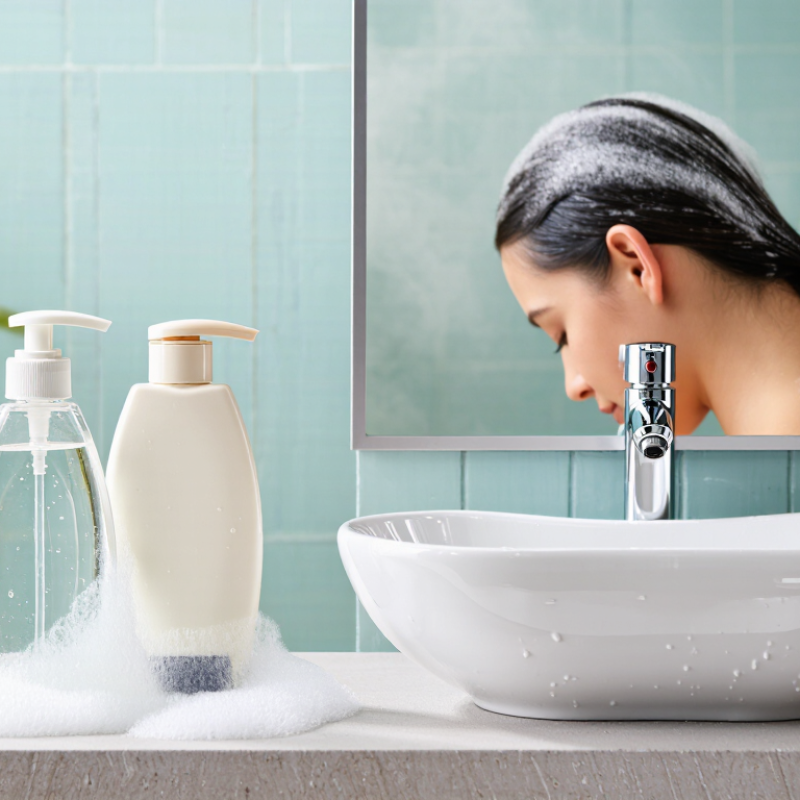
Shampoo is a rinse-off cleanser made to remove oil, sweat, dust, and styling residue from the scalp and hair. Water is usually its main ingredient. Cleansing agents called surfactants help loosen oily soil so it can wash away with water. Some ingredients also create foam, though a rich lather does not necessarily mean stronger cleaning. That assumption is easy to make.
A formula may include conditioning agents to reduce roughness, plus thickeners, preservatives, fragrance, and ingredients that adjust its pH. Their amounts and roles vary. Preservatives help keep water-based products stable during use; fragrance mainly affects scent, not cleansing.
A label can look complicated, and ingredient names alone do not explain how a finished formula feels on every head of hair. Scalp oiliness, hair texture, and washing habits all shape the result. For example, a heavily styled head may need a more thorough wash than dry, lightly handled hair.
More shampoo is not always better. Use enough to spread across the scalp, then rinse carefully; residue can leave hair feeling coated.
Formulas can also irritate some people, so pay attention to persistent discomfort and stop using a product that causes a reaction.
What Does Shampoo Do for Your Hair?
How Shampoo Removes Oil, Dirt, and Product Buildup
Shampoo uses cleansing ingredients called surfactants to loosen oil from the scalp and hair. One part of a surfactant attaches to oil, while another mixes with water. As you massage and rinse, that oily film carries away sweat, dust, and leftover styling products. The cloudy rinse is doing useful work. But shampoo does not remove every trace of oil, nor should it.
How much cleansing you need depends on your scalp, hair texture, and routine. Heavy styling products may leave a waxy feel near the roots; a gentle wash can lift some residue. If buildup persists, an occasional clarifying wash may help, though frequent use can leave hair feeling dry. A squeaky-clean feeling is not always a sign of better care. I sometimes find it tempting to wash twice, but that can be unnecessary.
Tips: Wet hair thoroughly before applying shampoo. Use a small amount, then massage your scalp with fingertips, not nails. Let the suds rinse through the lengths instead of scrubbing them roughly. Focus on the scalp, where most oil collects. If your hair feels rough afterward, try using less shampoo or washing less often. A little trial and adjustment is normal.
Shampoo surfactants help loosen oily sebum and product residue so they can be rinsed away. Loose dirt and water-soluble sweat may rinse away more easily. The bars show a qualitative cleansing pathway—not measured removal percentages; results vary with the formula and the type and amount of buildup.
Shampoo mainly cleans the scalp and the hair near its roots. Its cleansing ingredients loosen oil, sweat, skin flakes, and residue from styling products. Water then carries much of that material away. A thorough rinse matters. Leftover product can make roots feel coated or itchy. Shampoo does not repair split ends or restore damaged hair, though cleaner hair may feel lighter and easier to manage.
The scalp is living skin, while the visible hair shaft is not. That difference helps explain why a formula can leave the scalp comfortable but make the lengths feel dry. Hair texture, oil production, water quality, and washing frequency all affect the result. On a dry or curly head of hair, lathering every length may leave the ends rough; focusing gently on the scalp is often enough. Not always. Heavy product buildup can change what feels clean.
Notice what happens after washing: tightness, persistent itching, or redness may mean the routine needs adjusting. Use lukewarm water and avoid scratching with fingernails. Small details matter. There is no single ideal schedule for everyone, and “squeaky clean” is not a reliable goal. A clean scalp should feel comfortable, not stripped. If irritation keeps returning despite gentle changes, a dermatologist can help identify whether another skin condition is involved.
Shampoo types serve different needs because scalps and hair lengths behave differently. A clarifying shampoo removes oily buildup and styling residue, which can help when roots feel heavy. It may leave dry or curly lengths feeling rough, so frequent use is not ideal for everyone. Moisturizing formulas can make coarse or dry hair easier to comb. Fine hair, however, may feel limp if the formula leaves too much residue.
Color-treated hair may benefit from a gentle shampoo made to limit fading. If your scalp feels itchy or flaky, an anti-dandruff shampoo may help; follow its label directions. Persistent irritation deserves professional advice. For a sensitive scalp, a fragrance-free formula can be worth trying. Small changes matter.
Match the shampoo to your scalp, then consider your hair’s texture and styling habits. Apply it mainly at the roots, where oil and sweat collect, and let the rinse clean the lengths. Keep it simple. I used to assume a “moisturizing” label guaranteed softer hair, but results can vary with water, weather, and styling products. Labels are useful, not perfect. Notice how your scalp feels after washing and adjust the formula or frequency gradually.
Choosing shampoo starts with your scalp, not the promises on the bottle. If it gets oily quickly, a lightweight cleansing formula may feel more comfortable; a dry or sensitive scalp may do better with a gentler one. Curly, color-treated, or coarse hair can benefit from formulas that leave lengths feeling less stripped. Labels help, but they are not guarantees. Keep it simple.
In the shower, wet your hair thoroughly and work a small amount of shampoo into your scalp with your fingertips, not your nails. A quick, gentle massage is enough. The lather and rinse carry away oil, sweat, and styling residue. Let the foam run through the ends rather than scrubbing them; those strands are often more fragile. Rinse until your hair no longer feels slippery. Not quite? Rinse again.
Shampooing twice may help after heavy product use, but it is not a rule for every wash. Adjust how often you shampoo based on comfort and buildup, rather than a rigid schedule. I used to assume more foam meant a better clean; it mostly meant I was using more product.
If a shampoo causes lasting burning, redness, or itching, stop using it and consider asking a healthcare professional.
Shampoo removes oil, sweat, dust, skin flakes, and styling residue. It mainly cleans the scalp and roots.
Surfactants attach to oil and mix with water. Rinsing carries away much of the oily film. Not every trace.
No. Foam does not reliably show cleaning strength. A thick lather can be satisfying, but it is not a scorecard.
Use a small amount that spreads across your scalp. Too much may leave hair feeling coated if you do not rinse well.
Focus gently on the scalp, where oil gathers. Let suds rinse through the lengths instead of rubbing them roughly. Ends can feel dry.
It depends on scalp oiliness, hair texture, and styling habits. There is no single ideal schedule. Some trial and adjustment may be needed.
No. Shampoo cleans; it does not repair split ends. Cleaner hair may feel lighter and easier to manage, though that can be temporary.
Try using less shampoo, rinsing thoroughly, and avoiding hot water or fingernails. If redness or itching keeps returning, consider asking a dermatologist. A reaction is worth noticing.
Shampoo cleans the hair and scalp by combining water with cleansing ingredients that loosen excess oil, sweat, dirt, dead skin, and residue from styling products. When massaged into wet hair, it helps lift this buildup so it can be rinsed away. Shampoo can also affect how the scalp feels and how the hair looks: the right formula may leave the scalp comfortable and strands feeling clean, while an unsuitable one may contribute to dryness or irritation.
What does shampoo do for your hair depends partly on its formula and your needs. Different shampoos are designed for concerns such as dryness, oiliness, color-treated hair, or a sensitive scalp. To choose one, consider your hair type, scalp condition, and how much product buildup you have. Use a moderate amount, focus the lather on the scalp, rinse thoroughly, and adjust how often you wash based on how your hair and scalp respond.

SALA Beauty