The global demand for Ultra-Hydrating Creams and moisture-intensive hair treatments has seen a 15% CAGR growth. As consumers move towards "Skinification," manufacturers are now integrating dermatological grade ingredients into hair care portfolios.
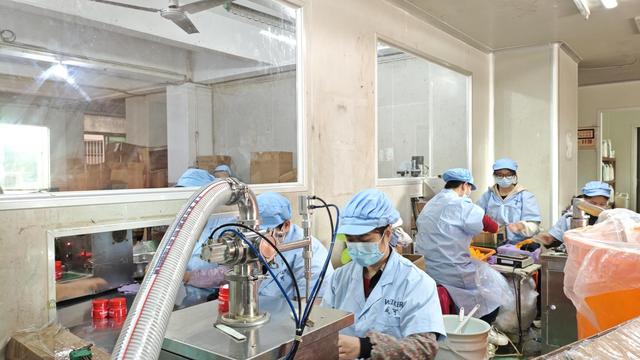
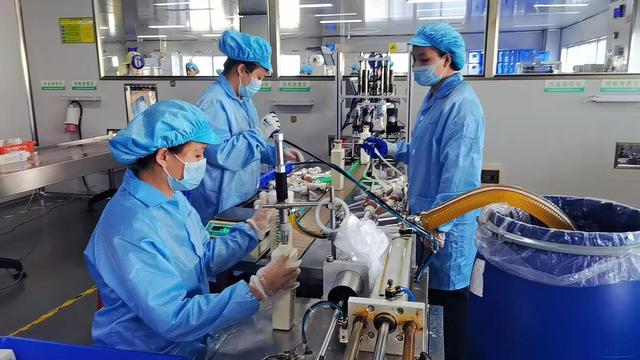
China accounts for over 45% of global hair care production. Factories like Shanghai SALA Beauty Co., Ltd. utilize automated cold-process emulsification, reducing energy waste while preserving the bio-activity of natural oils.
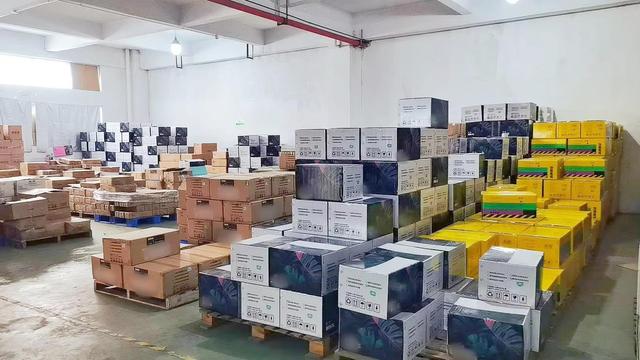
With strategic hubs in Shanghai and Guangdong, Chinese manufacturers offer seamless supply chain integration, reducing lead times for North American and European distributors by up to 30%.
Shanghai SALA Beauty Co., Ltd. is a professional China Shampoo Manufacturer specializing in high-quality hair care solutions, scalp care products, and private label manufacturing services for global beauty brands, distributors, wholesalers, retailers, and salon professionals.
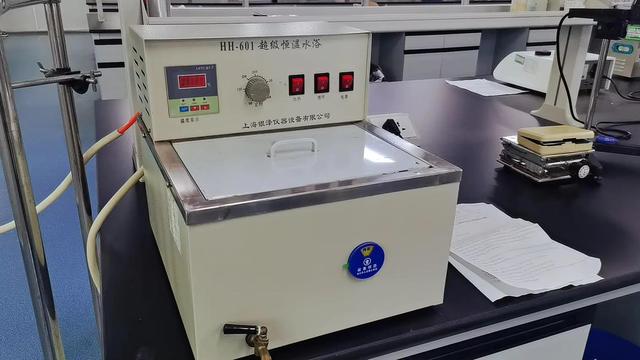
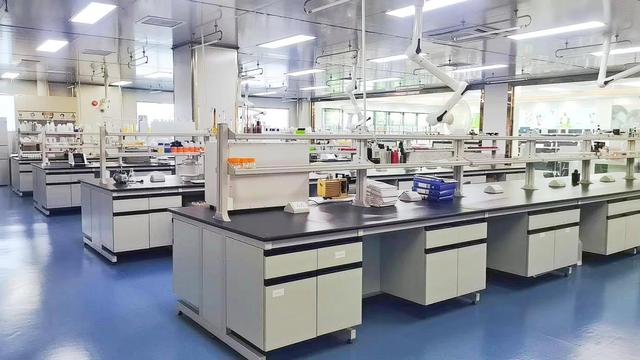
With extensive experience in the personal care industry, we are committed to delivering innovative hair care products that combine performance, quality, and market appeal. Our manufacturing facilities utilize advanced production equipment and strict quality management systems (GMPC/ISO 22716) to ensure consistency and reliability.


In the professional hair care industry, "Ultra-Hydration" is not just a marketing term; it is a complex chemical process of Hydro-Lipidic Balance. Manufacturers must master the delivery of humectants (Glycerin, Hyaluronic Acid) and occlusives (Argan Oil, Keratin) to ensure the hair cuticle is sealed and moisture is locked within the cortex.
High-end factories use low-molecular-weight proteins that can penetrate the hair shaft, rather than just sitting on the surface. This leads to long-term repair rather than a temporary "silicone slip."
Optimizing the pH of hydrating creams to 4.5 - 5.5 is crucial for closing the hair cuticle, ensuring the shine and color longevity of treated hair.
The newest trend in 2024 involves bio-fermented oils which offer 3x the antioxidant power of standard cold-pressed oils.
To identify the best partners for your brand, we have analyzed the industry based on these four pillars of E-E-A-T:
Ability to create sulfate-free, paraben-free, and vegan-friendly formulas.
ISO 22716, GMPC, and FDA compliance for global market entry.
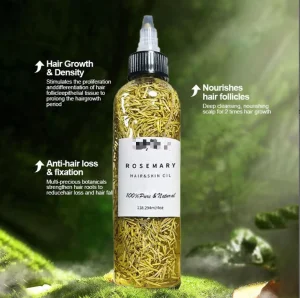
Continuous investment in new ingredients like Centella and Rosemary for scalp health.
Modern production lines that handle both small-batch boutique and mass-market volume.
B2B buyers from different regions have varying needs. European buyers prioritize Ecological Sustainability, while Middle Eastern markets demand Intense Repair and UV Protection. Chinese manufacturers like SALA Beauty offer customized formulation adjustments to meet these localized demographic requirements.

A: Most top-tier China factories require between 1,000 to 5,000 units depending on the complexity of the bottle design and the exclusivity of the formula.
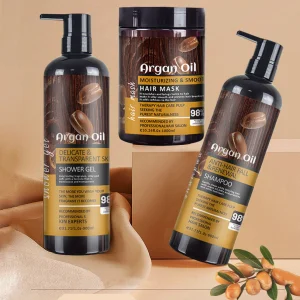
A: Argan oil is a fatty-acid-rich emollient that provides instant surface hydration and shine. Biotin (Vitamin B7) focuses on strengthening the hair structure over time. For "Ultra-Hydration," a combination of both is often used.
A: Yes. Sulfates (like SLS) are harsh surfactants that strip natural oils. Sulfate-free formulas use milder agents that clean the hair without compromising its moisture barrier, which is essential for dry or curly hair types.
A: Typically 24-36 months. Factories use natural-derived preservatives like Sodium Benzoate to ensure safety while maintaining "clean beauty" standards.
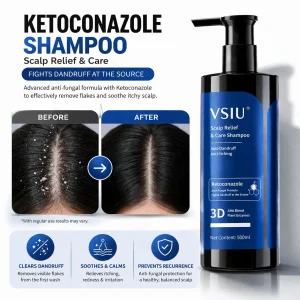
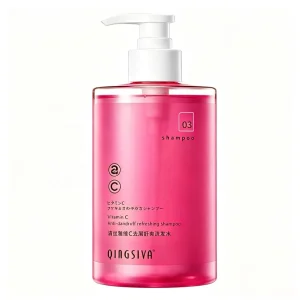
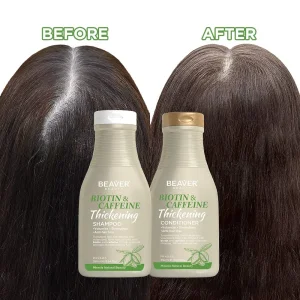
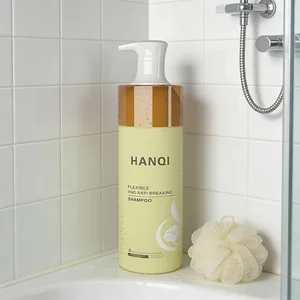
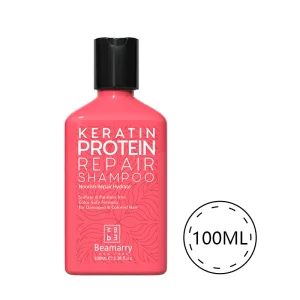
Our comprehensive product portfolio includes moisturizing shampoos, hair repair shampoos, scalp care solutions, anti-dandruff shampoos, nourishing hair cleansers, sulfate-free formulations, color protection shampoos, herbal hair care products, and customized hair treatment solutions. Developed with carefully selected ingredients and advanced formulation technologies, our products are designed to support healthy hair, balanced scalp conditions, and improved overall hair appearance.
Quality and safety are fundamental to our operations. Continuous investment in research and development enables us to introduce innovative hair care formulations that meet changing consumer preferences and industry trends. We are also committed to sustainable manufacturing practices, environmentally responsible sourcing, and efficient production processes that help customers develop products aligned with modern market expectations.

 SALA Beauty